Historic Homes In South Royalton: Character And Considerations
March 24, 2026
March 24, 2026
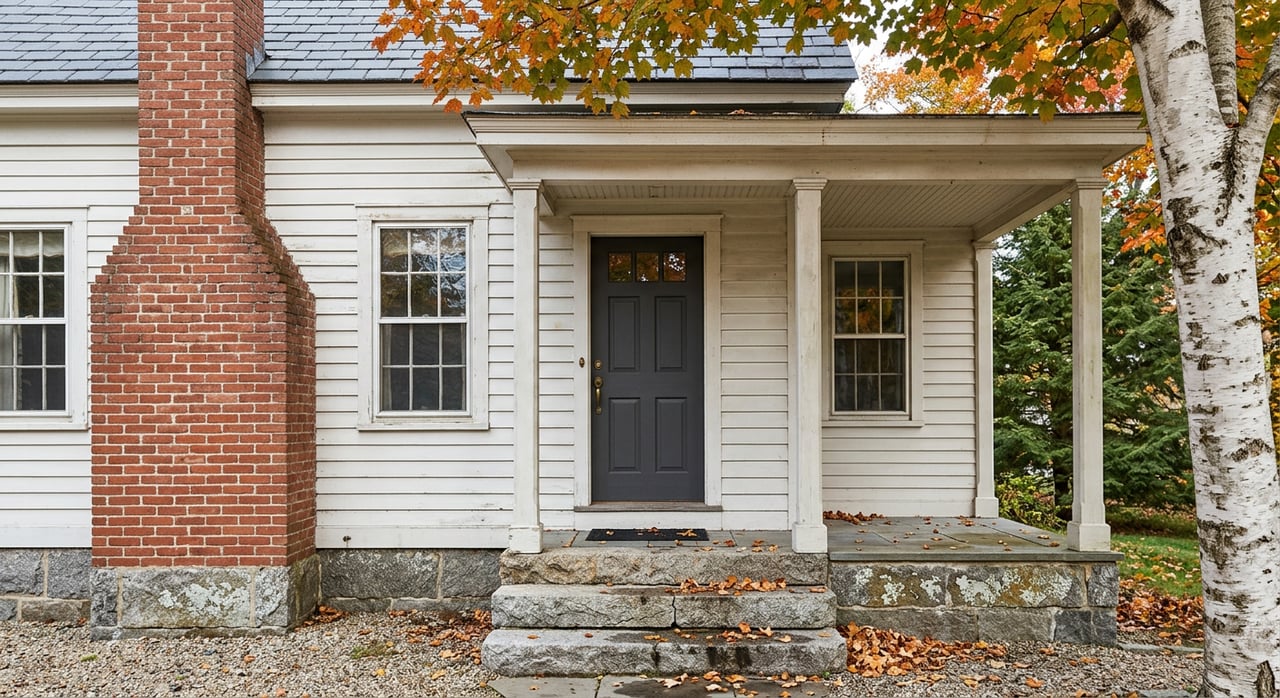
Love the clapboard porches and brick storefronts ringing the South Royalton Green, but not sure what comes with owning one? If you are drawn to historic character, you also want clear answers on maintenance, inspections, and rules. This guide walks you through what to look for, how local designations work, common costs, and who to call before you buy. Let’s dive in.
South Royalton grew after the railroad arrived in 1848, and the heart of the village is listed as the South Royalton Historic District on the National Register of Historic Places. After an 1886 fire, the commercial core was rebuilt in brick with Italianate detailing that still frames Chelsea and Windsor Streets. Civic anchors, the South Royalton Green, and notable late‑Victorian buildings tied to the Vermont Law School campus help define the look and feel of the village.
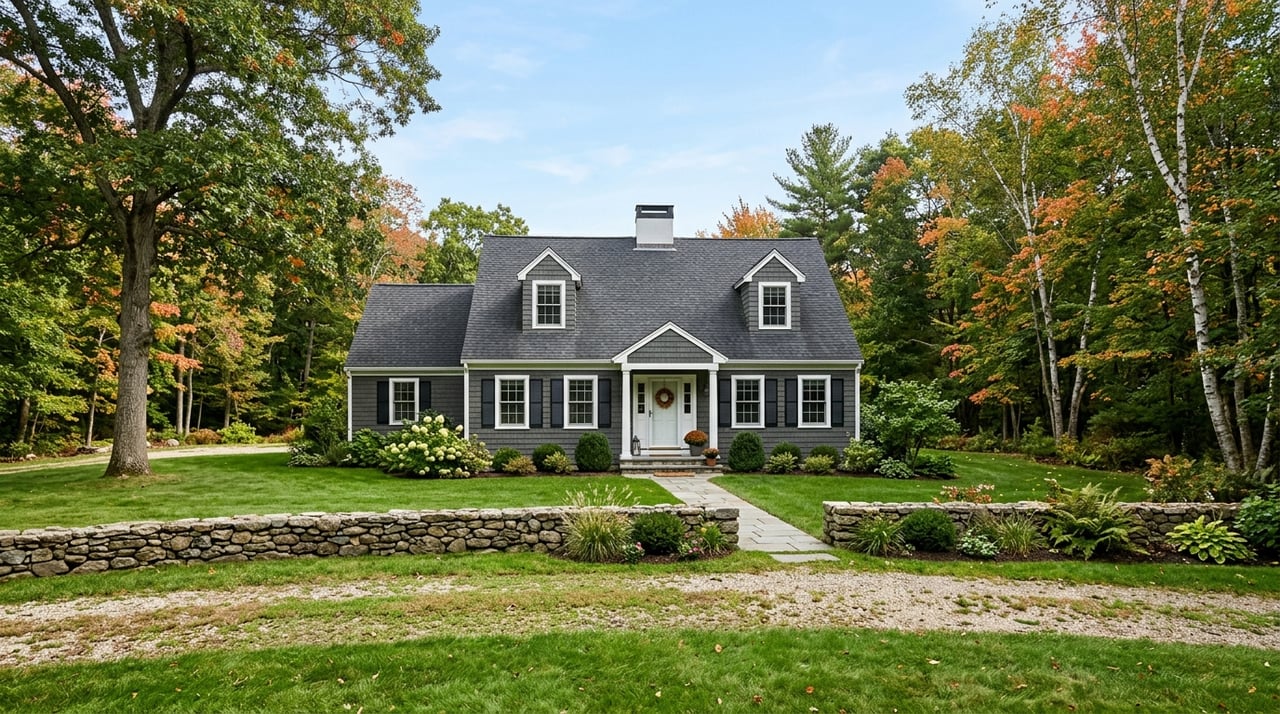
You can read a lot about a house just by its rooflines, windows, and trim. Here are the styles you will most often see in South Royalton.
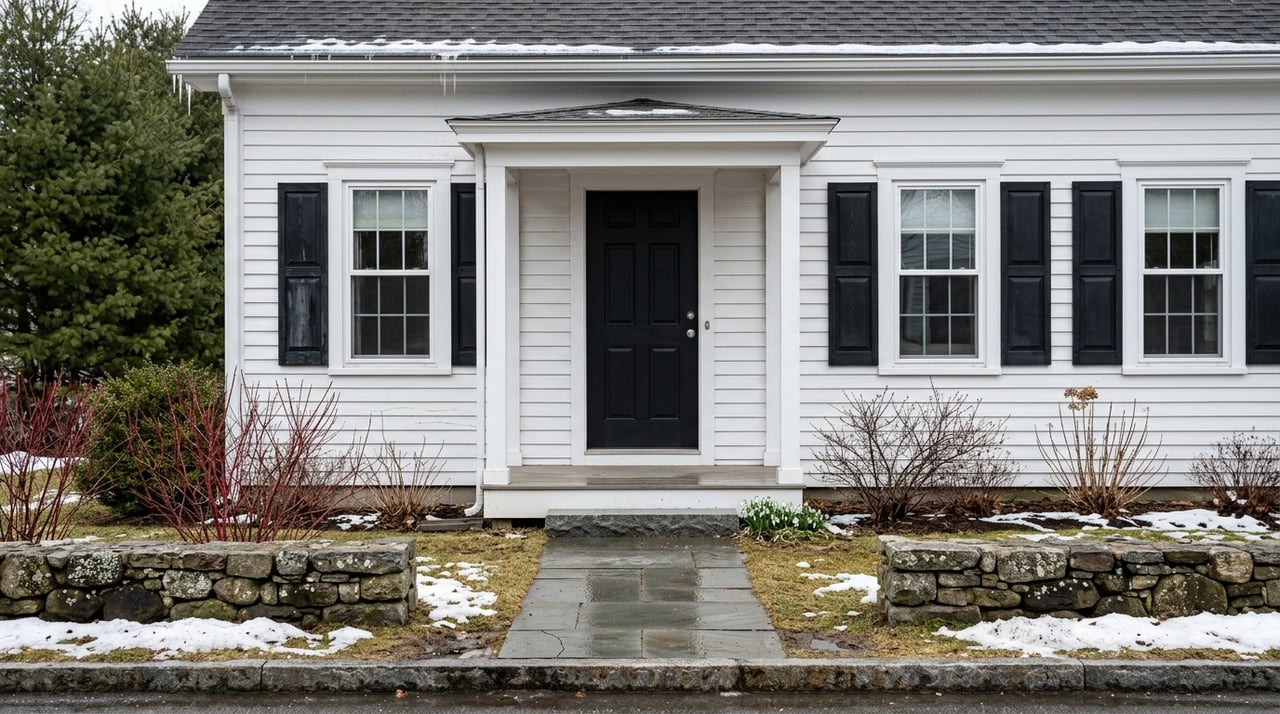
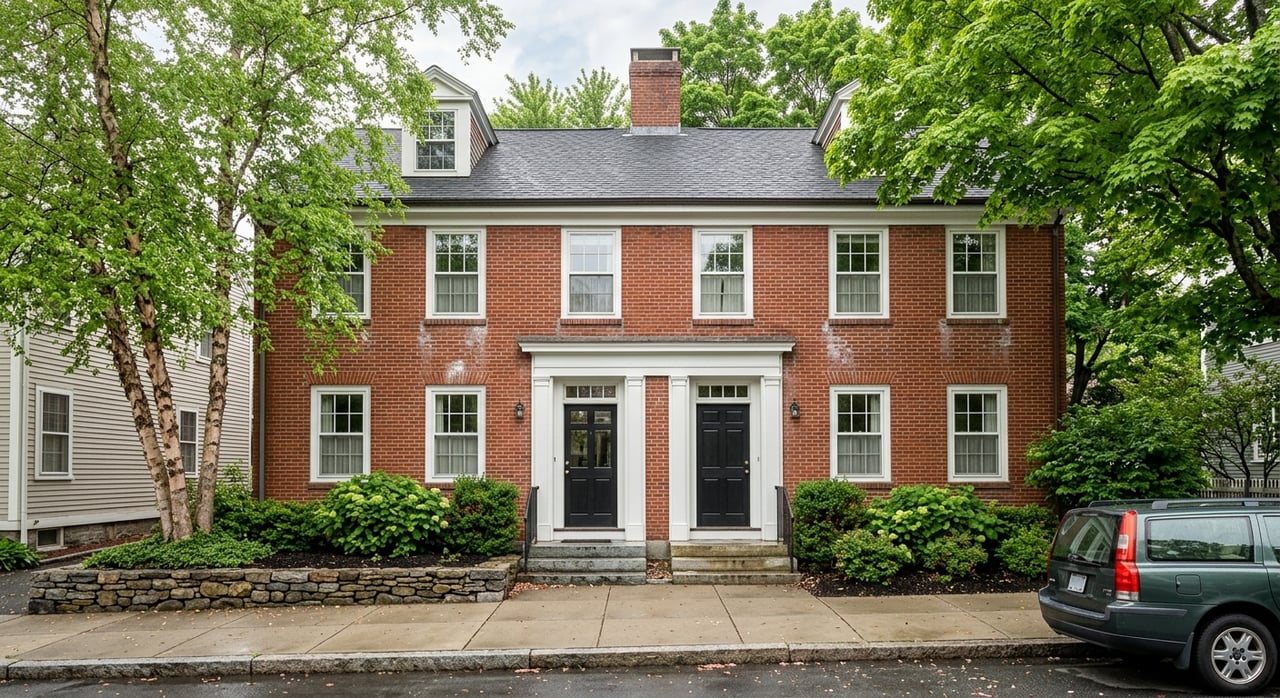
Look for gable‑front, temple‑like facades, simple classical cornices, and symmetrical fronts. Front doors often have transoms and sidelights. These homes tend to be clapboard‑sided with straightforward trim.
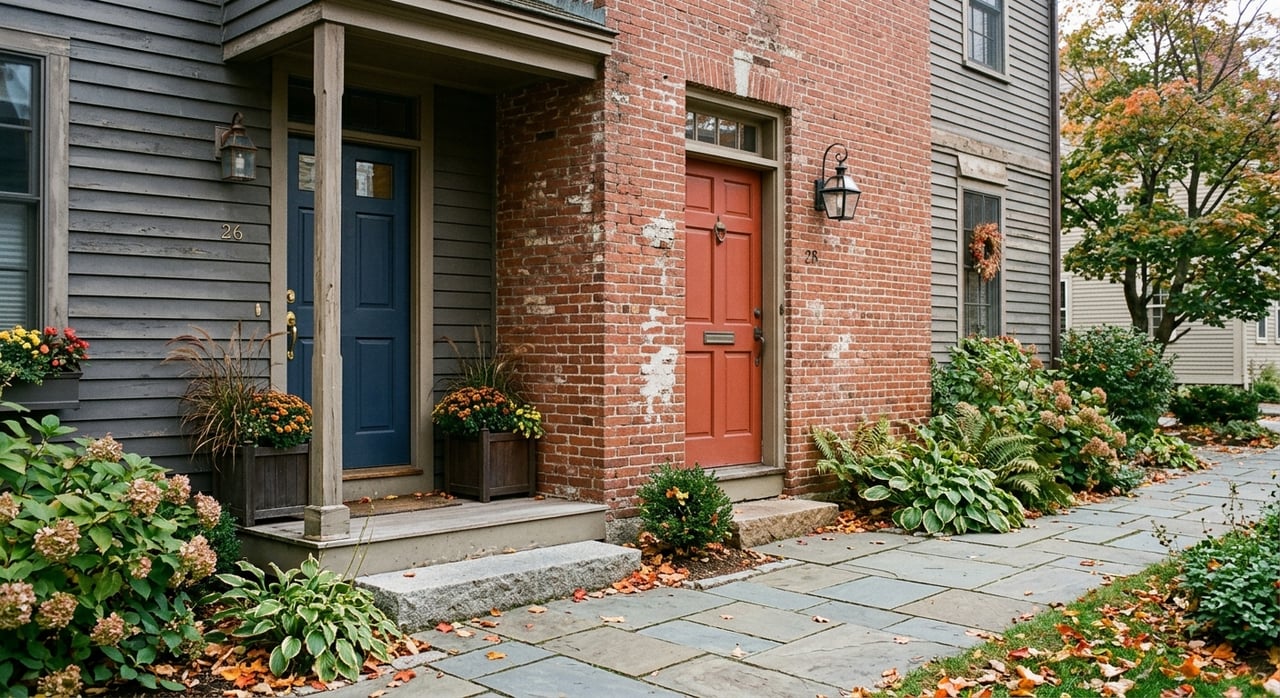
You will notice low‑pitched or hipped roofs with wide bracketed eaves. Windows are tall and narrow, sometimes with arched or hooded heads. Brick is common on commercial blocks from the late 1800s.
Expect asymmetry, patterned shingles, ornate porches, bay windows, and occasional turrets. Decorative millwork and mixed textures add a lively, late‑Victorian look.
Historic homes reward care and attention. Plan for a thorough inspection and, where needed, specialist follow‑ups.
If a property is inside the National Register district, what does that mean for you? The National Park Service explains that listing is honorary and does not, by itself, restrict what a private owner can do. Restrictions come into play only if federal funds or permits are involved, or if there are separate local ordinances or recorded easements.
Locally, the Town of Royalton has historically had limited traditional zoning and holds a Village Designation for South Royalton. The Town Plan highlights the focus on village‑center growth and the need to consider river‑corridor and flood factors.
On incentives, Vermont’s Downtown & Village Center Tax Credits are available for eligible projects within designated centers. These state credits and the federal Rehabilitation Investment Tax Credit generally apply to income‑producing or commercial buildings, not most single‑family, owner‑occupied homes. Review the state’s Downtown & Village Center Tax Credit FAQ and confirm eligibility before you count on any credit.
Practical steps: verify whether the property is inside the historic district, check for any deeded easements or local design‑review rules, and confirm eligibility for state or federal credits if the building is income‑producing.
Historic features like slate roofs, custom millwork, and masonry matching can cost more to repair or replace than standard materials. Build a reserve for preservation‑friendly maintenance. For insurance, ask an agent familiar with historic homes about coverage options and endorsements that reflect replacement values for older materials and details.
Use these resources as you research a South Royalton historic property:
Buying a historic home is part house hunt, part stewardship plan. We help you clarify goals, line up inspectors experienced with older buildings, and connect with local specialists for masonry, windows, roofs, and environmental testing. We also keep you organized on records, flood questions, and credits if the property is income‑producing. When you are ready to move, we bring responsive service, multimedia marketing, and local insight to the process.
If you are considering selling a historic property, we can position its character with professional photography, video, and targeted regional reach to attract the right buyers.
Ready to talk through a specific address or get a pricing read? Reach out to Sandy Reavill for local guidance or to request a free home valuation.
Stay up to date on the latest real estate trends.