How Seasons Shape Daily Life In The Upper Valley
April 16, 2026
April 16, 2026
If you are thinking about life in the Upper Valley, one thing stands out fast: the seasons are not just background scenery. In and around Orange, Vermont, each part of the year changes how you spend weekends, plan errands, enjoy the outdoors, and connect with the community. Understanding that rhythm can help you decide whether this area fits the way you want to live. Let’s dive in.
The Upper Connecticut River Valley is known for its river towns, farms, historic downtowns, and year-round celebrations, with the Connecticut River forming a natural spine between Vermont and New Hampshire. According to Vermont Tourism’s Upper Connecticut River Valley guide, the region includes a mix of small towns and destination villages that support an active, place-based lifestyle.
That four-season identity is backed by climate data. At the nearby Corinth, Vermont NOAA station in Orange County, the average January temperature is 14.7°F, the average July temperature is 66.3°F, and annual precipitation is 43.15 inches, according to NOAA climate normals. In simple terms, you are not moving to a place with subtle seasonal shifts. You are choosing a lifestyle where the landscape and your routine truly change throughout the year.
Spring in the Upper Valley is a transition season. Snow and ice give way to thawing ground, maple season, and the first signs of green, but daily life often requires some flexibility while conditions shift from week to week.
Vermont Tourism’s spring overview for the Upper Valley highlights the season through maple sap, budding flowers, and a mix of indoor and outdoor activities. It also notes that early spring hiking often moves toward lower-elevation trails, paved paths, and rail-trail options while wetter trails recover.
For you as a resident, that can mean spring weekends look a little different than summer or fall. Instead of long mountain hikes every weekend, you may find yourself checking trail conditions, heading out for a scenic drive, spending time at a café, or choosing community events that feel easy and local.
A typical spring rhythm in the broader Upper Valley may include:
Regional spring touchpoints include stops like King Arthur Baking in Norwich, Quechee Gorge, the Main Street Museum, Cloudland Farm dinners, and Billings Farm’s Baby Farm Animal Celebration. These examples help show that spring life here is not only about waiting for summer. It is about adapting and still finding plenty to do.
By summer, daily life tends to feel more open, social, and outdoors-oriented. Warmer temperatures and longer days make it easier to build recreation, local events, and casual get-togethers into your weekly routine.
Vermont Tourism’s summer guide for the Upper Valley describes the season with swimming holes, campfires, hiking, festivals, and village gatherings. The broader regional overview also points to mountain biking, river access, and celebrations that keep the area active through the warmer months.
If you picture your ideal summer including scenic drives, community events, and more time outside without needing a major plan every weekend, this seasonal pattern may feel like a strong fit. Summer in the Upper Valley often supports a routine where recreation and errands can easily share the same day.
Some of the region’s best-known summer anchors include:
That mix matters when you are evaluating lifestyle, not just location. A place can look beautiful on a map, but what really counts is whether it gives you enough ways to enjoy ordinary days.
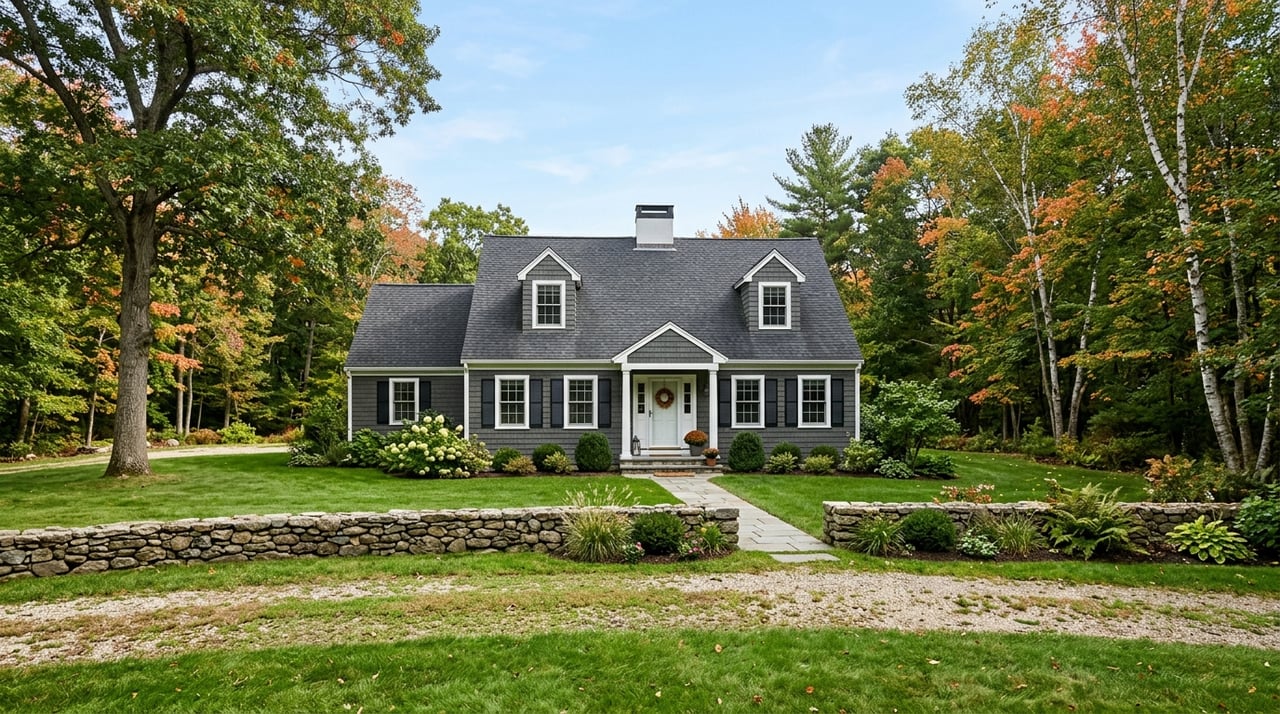
Fall is often the season that first draws people to Vermont, and in the Upper Valley it can shape daily life in a very visible way. The landscape changes quickly, community calendars fill up, and even simple drives start to feel like outings.
According to Vermont Tourism’s seasonal guide, autumn in Vermont centers on foliage, apples, pumpkins, cider, scenic drives, and outdoor recreation. The same source notes that Vermont is 70% forested and has the highest density of sugar maples in the United States, which helps explain why the visual change can feel so dramatic.
For residents, that often translates into a season of movement. You may spend more time visiting orchards, attending harvest events, planning drives, or making room in your schedule for weekends that revolve around foliage and fall traditions.
Examples from the region include:
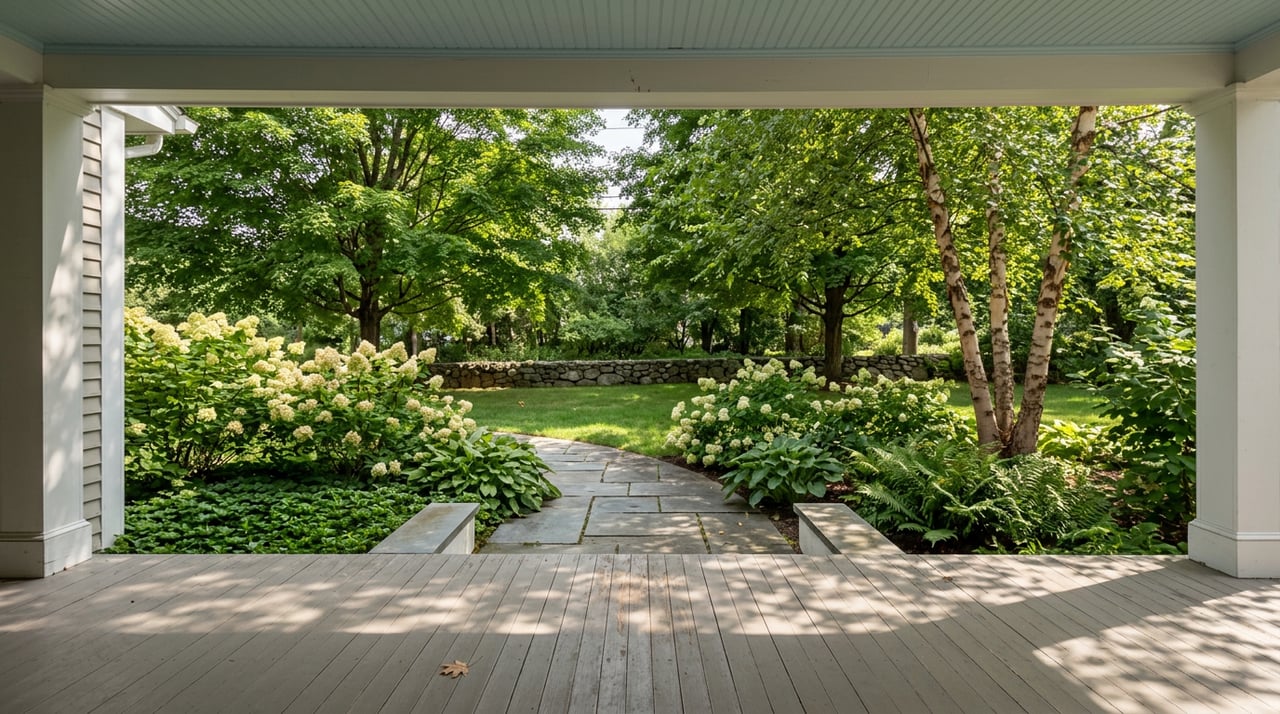
Fall can also influence how you think about your home. Porches, yards, nearby drives, and access to town centers may feel especially meaningful during this season because so much of daily life shifts toward harvest events and scenic outdoor time.
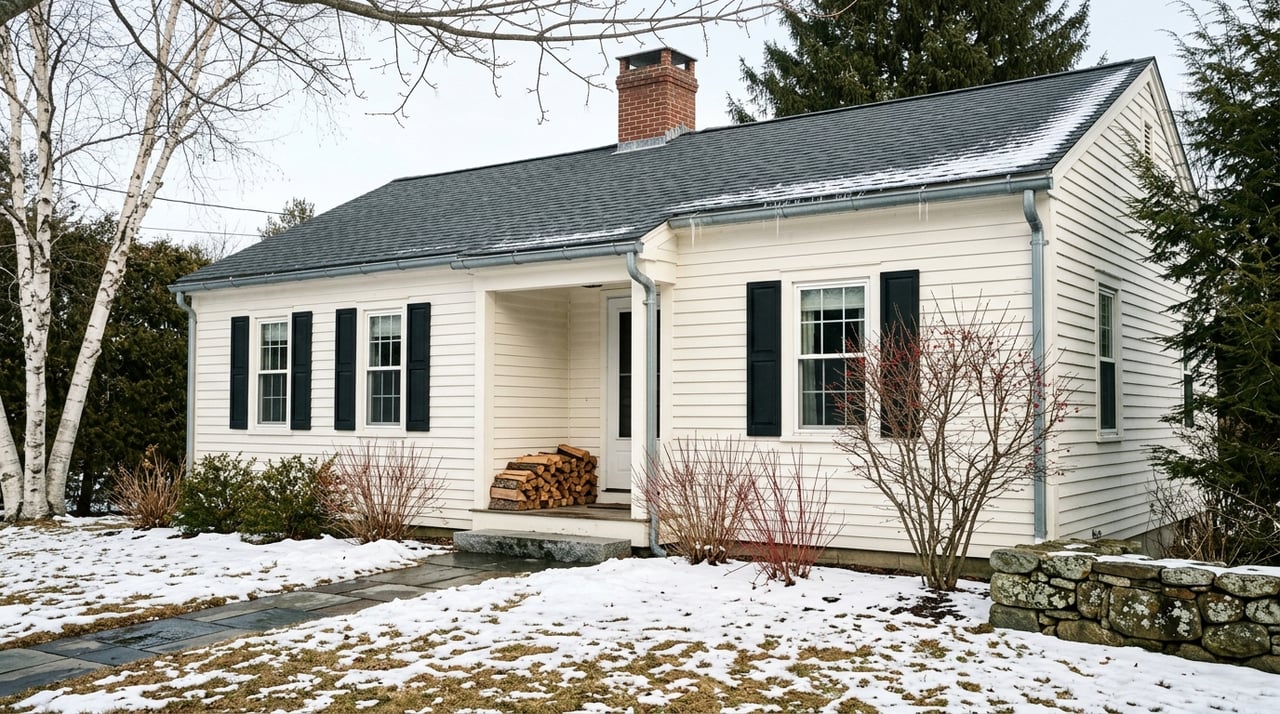
Winter in the Upper Valley is scenic, but it is also practical. Snow and cold temperatures encourage a different pace, with more focus on cozy indoor spaces, winter recreation, and community traditions that bring people together.
Vermont Tourism’s winter overview describes the season through skiing, cross-country trails, fireplaces, local eateries, inns, and seasonal events. In the Upper Valley, examples include Lake Morey ice skating, Northern Stage’s winter theater season in White River Junction, holiday programming at Billings Farm & Museum, Woodstock’s Wassail Weekend, and the Northeast Slopes ski area in Corinth.
That last example is especially telling. Vermont Tourism describes Northeast Slopes as a community ski hill with strong small-town camaraderie, which says a lot about winter life in this part of the region. Winter here is not only about weather. It is also about the ways people stay connected.
If you live in or near Orange, winter may mean:
For many buyers, this is where lifestyle fit becomes very real. The right home in the Upper Valley is not just about square footage. It is also about how well it supports your day-to-day life when the seasons shift.
When you are considering Orange or the broader Upper Valley, it helps to think beyond a property search and ask a bigger question: how do you want your year to feel?
Dartmouth’s overview of life in the Upper Valley describes a region where farm stands, markets, museums, and arts venues are part of normal life, not just occasional attractions. It also highlights easy access to outdoor recreation through the Appalachian Trail, the Connecticut River, and rail trails.
That combination helps explain why the area appeals to so many different buyers. You may be looking for a full-time home, a relocation destination, or a place that gives you easier access to a four-season lifestyle. In each case, the seasonal pattern matters because it affects your routines, your downtime, and how you use your home.
For a place like Orange, seasonal living often means balancing quiet day-to-day life with access to the broader Upper Valley. You may value the ability to enjoy rural scenery and small-town character while still tapping into nearby regional amenities, events, and recreation throughout the year.
As you evaluate the area, think about practical lifestyle questions such as:
These are the kinds of questions that can help you move from “nice area” to “right fit.” In a market shaped so clearly by the calendar, lifestyle planning is an important part of the home search.
If you are exploring homes in Orange or the broader Upper Valley, Sandy Reavill can help you connect the real estate search to the way you actually want to live.
Stay up to date on the latest real estate trends.