Moving To South Royalton For Work Or School: Housing Overview
May 14, 2026
May 14, 2026
If you’re moving to South Royalton for a new job or a program at Vermont Law and Graduate School, housing can feel simple at first glance and surprisingly competitive once you start looking. This is a small Vermont village with a useful mix of rentals and homes for sale, but inventory is limited and your best option is often a broader regional search. In this guide, you’ll get a practical look at what to expect in South Royalton, how the local housing mix works, and which nearby towns are worth comparing. Let’s dive in.
South Royalton is best understood as a small, school-influenced village market with a stronger rental presence than many nearby towns. According to the Royalton town plan and Windsor County housing data from VHFA, the village has more multi-family and two-family housing than surrounding communities, partly because of apartment conversions tied to the law school.
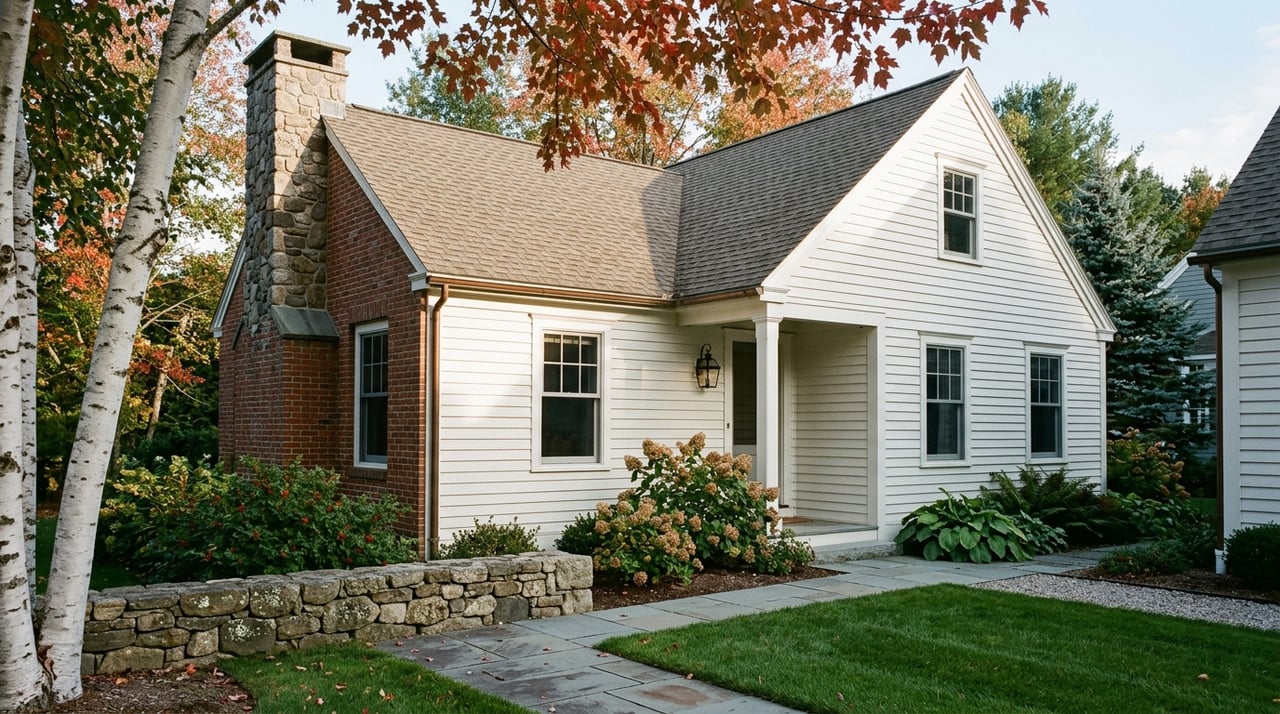
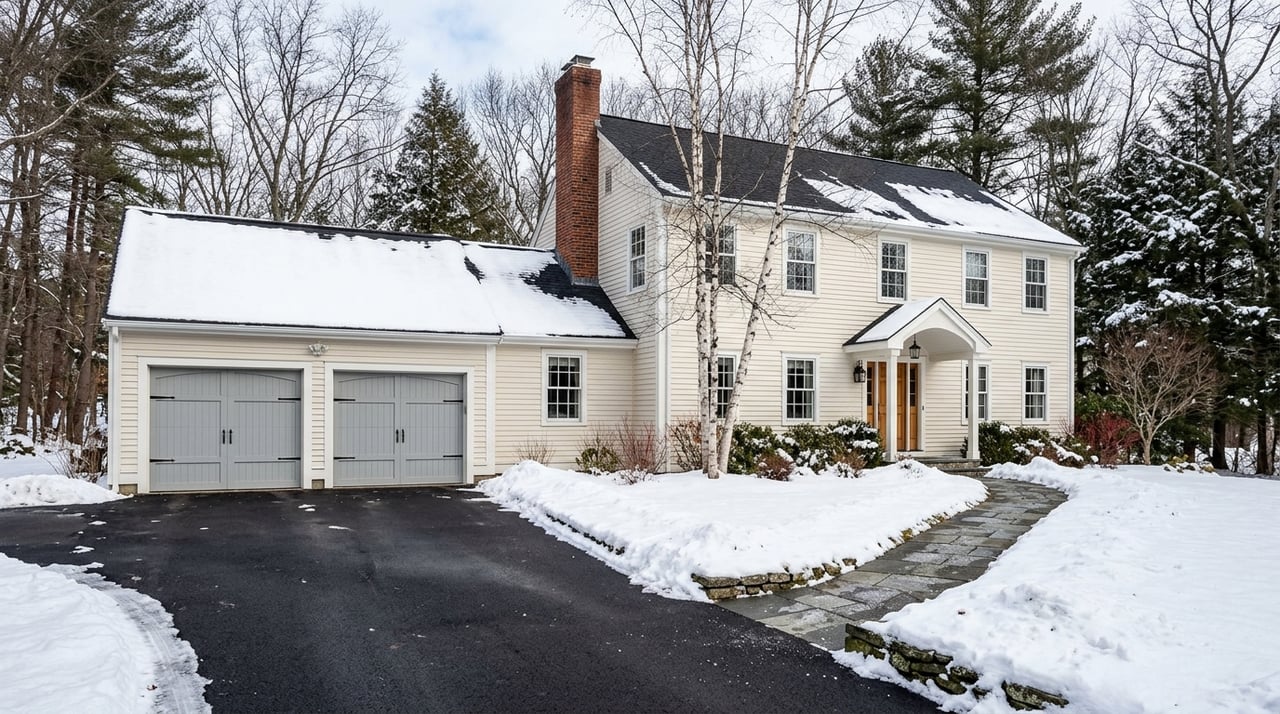
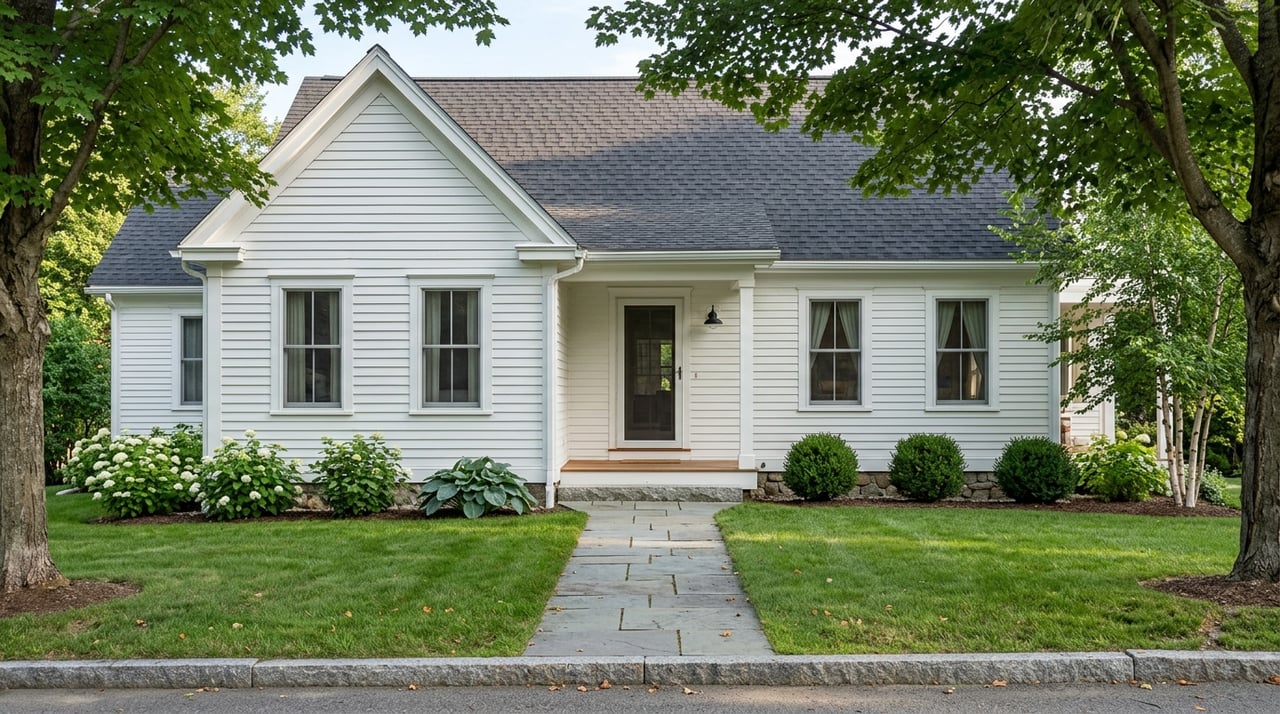
That matters if you’re relocating for work or school. Instead of finding mainly large suburban developments, you’re more likely to see older single-family homes, duplexes, smaller apartment buildings, and some mobile-home options. That variety can help, but it also means the number of available properties at any one time may be limited.
If you plan to rent first, South Royalton offers options, but timing is a big part of the process. Vermont Law and Graduate School says students are responsible for arranging off-campus housing, and the school maintains a rental database rather than offering student housing.
Available rentals can include:
VLGS also notes that most rentals are older, although some newer apartments are within walking distance of campus. Most listings are located within about a 30-mile radius, which gives you flexibility if you are open to commuting from a nearby town.
For student and work-related moves, early planning can make a real difference. VLGS advises incoming students to contact landlords well in advance, ideally 3 to 5 days before a showing, because many landlords list for the upcoming academic year before late August.
In a small market like South Royalton, waiting too long can shrink your options fast. If your move date is fixed, it helps to build a shortlist of nearby towns early so you are not relying on one village alone.
If you’re thinking about buying, South Royalton can appeal to buyers who want a village setting and are comfortable with a smaller inventory pool. A recent market snapshot cited in the research report showed just 5 homes for sale in Royalton as of March 31, 2026, which reinforces how tight the local market can feel.
That does not mean buying here is impossible. It does mean you may need to move quickly when a good-fit property comes up, and you may want to compare homes in nearby towns at the same time.
For a broader affordability picture, Windsor County data offers useful context. The U.S. Census reports a median owner-occupied home value of $296,400 in Windsor County, with median monthly owner costs of $1,850 with a mortgage and $845 without a mortgage. Median gross rent in the county is $1,118.
The same research set shows Windsor County’s median home sale price at $279,750 in 2022, while median days on market dropped from 99 in 2019 to 62 in 2023. That suggests buyers should be ready for a market that can still move quickly, especially when inventory is limited.
One of the most helpful things to know before you move is that South Royalton rarely works as a stand-alone housing search. It functions more like one part of a broader White River Valley and Upper Valley search area.
VLGS specifically points relocators toward a wider radius that can include Tunbridge, Sharon, Randolph, Quechee, Woodstock, Norwich, and Bethel. If you are moving for school or work, that wider search area can open up more rental choices, more purchase opportunities, and different price points.
A broader search is practical because regional commuting is common. Windsor County’s mean travel time to work is 22.9 minutes, according to the U.S. Census, which shows that many residents already live outside the place where they work.
The Royalton town plan also notes that Interstate 89 and Route 14 improved driving access to places like White River Junction, Lebanon, Hanover, and Montpelier. Tri-Valley Transit’s 89’er South commuter service includes the Royalton Exit 3 Park & Ride and connects with Bethel, Randolph, and DHMC East Entrance service.
If you are not finding the right fit in South Royalton, nearby communities may offer a better match for your budget, commute, or housing type preferences.
Bethel is often one of the first places relocators compare with South Royalton. VHFA data shows a housing mix of 64% owner homes, 18% renter homes, 11% seasonal homes, and 7% vacant units.
A current market snapshot in the research report places Bethel’s typical home value around $328,851, with 8 homes for sale. For many buyers, Bethel reads as one of the closest lower-cost alternatives in the area.
Sharon can be a useful option if you want to stay relatively close while widening your search. VHFA reports that Sharon’s housing stock is 67% owner homes, 18% renter homes, 12% seasonal homes, and 4% vacant units.
Pricing in the research report places Sharon around $380,989, which is higher than Royalton and Bethel. That means you may find fewer lower-cost opportunities there, but it remains a common comparison town for relocators.
If you want more listings and a larger employment hub nearby, Hartford and White River Junction deserve a look. VHFA shows Hartford with 56% owner homes, 25% renter homes, 16% seasonal homes, and 3% vacant units.
The research report cites a typical home value of about $408,662, with 44 homes for sale and average rent of $2,186. Compared with South Royalton, this area may offer more inventory, but often at a higher price point.
Norwich is an Upper Valley benchmark that can be helpful for comparison, even if it is not the right budget fit for every move. VHFA data shows 69% owner homes, 20% renter homes, 9% seasonal homes, and 2% vacant units.
The research report places Norwich’s typical home value at about $771,768. That makes it one of the higher-cost options in the region and a useful reminder that South Royalton may offer a more approachable entry point for some buyers.
South Royalton can be a strong fit if you want a small village setting, need access to Vermont Law and Graduate School, or are comfortable with a housing search that includes nearby towns. Its mix of rentals, duplexes, older homes, and village-scale living gives you more variety than you might expect in a small Vermont community.
At the same time, limited inventory means flexibility matters. You may have the best results if you define your move around commute range, housing type, and monthly budget instead of focusing only on one ZIP code or one village center.
Before you move, keep these practical steps in mind:
If you’re relocating to South Royalton, local guidance can save time and reduce guesswork. The right strategy is usually not just finding a home in one village, but finding the best fit across the broader Upper Valley area.
Whether you’re moving for school, work, or a lifestyle change, having a local team help you compare South Royalton with nearby communities can make the process much easier. If you’re planning a move, connect with Sandy Reavill for thoughtful, local guidance across the Vermont and New Hampshire Upper Valley.
Stay up to date on the latest real estate trends.