Trying to choose between a low‑maintenance townhome and a standalone home in Quechee Lakes? You are not alone. The right fit comes down to how you want to live, what you want to maintain, and how you plan to use the Quechee Club’s four‑season amenities. In this guide, you will learn how each option works in 05059, what it really costs to own, and the key questions to ask before you make an offer. Let’s dive in.
Quechee Lakes at a glance
Quechee Lakes is a private residential community organized through the Quechee Lakes Landowners Association (QLLA) and the Quechee Club. When you buy in Quechee Lakes, you receive automatic membership in the Club, which anchors daily life with golf, indoor and outdoor pools, racquet sports, a small ski hill, trails, and Lake Pinneo. You can review how ownership and membership work on the Club’s overview page at QLLA & Our Club and browse current amenities on the Quechee Club homepage.
Quechee Village gives you everyday convenience and destination draws. Many buyers love visiting the flagship glassblowing studio and restaurant at Simon Pearce in Quechee, hiking Quechee Gorge, and quick access to Woodstock and the Dartmouth–Hanover–Lebanon corridor.
For quick market context, the 05059 median sale/list price in late 2025 hovered around $674,400 according to a Realtor.com snapshot. Local prices and days on market shift with season and property type, so use current comps when you are ready to write an offer.
Property types you will see
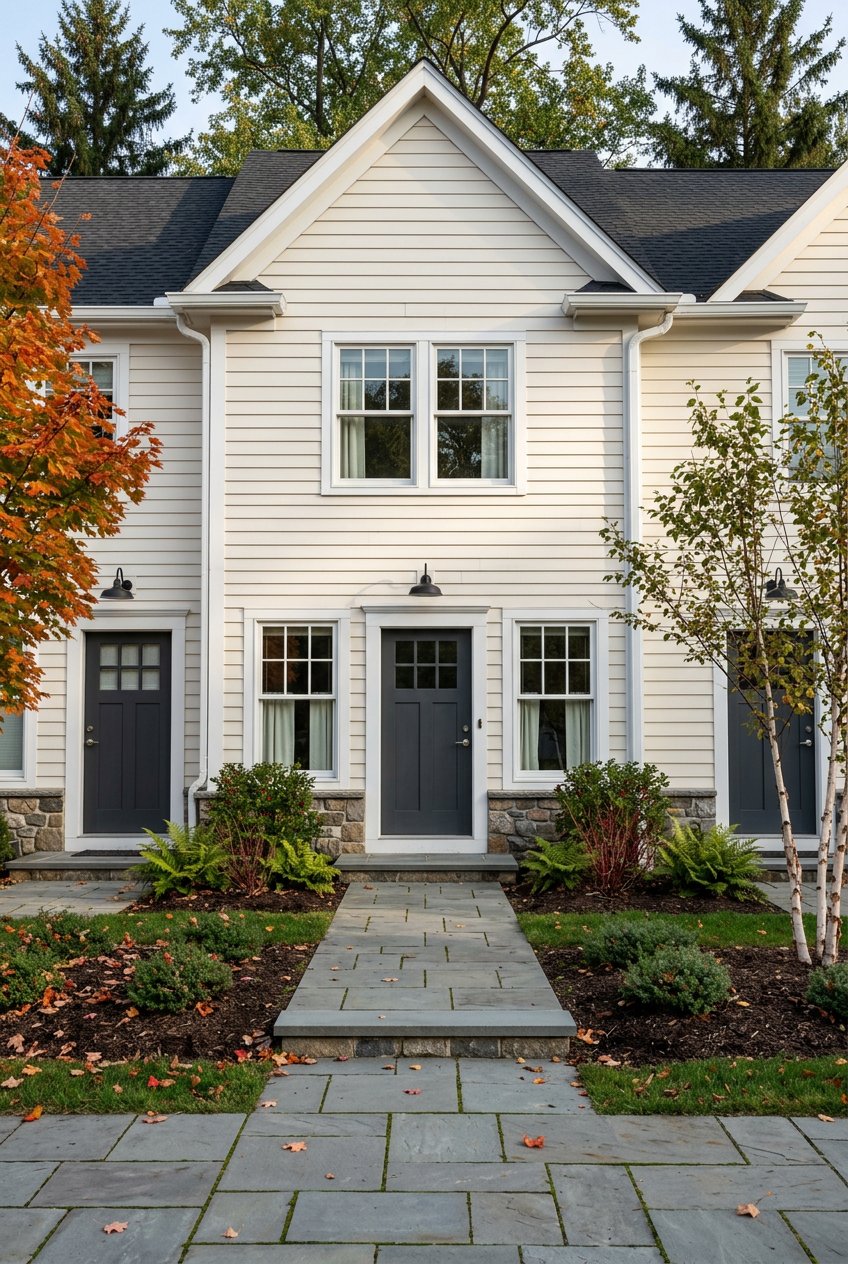
Townhomes and condos
You will find many named condominium villages in Quechee Lakes. Units are often marketed as townhouses, and many are legally condominiums with unit ownership plus shared common elements. Typical floor plans range from 2 to 4 bedrooms and about 1,200 to more than 2,400 square feet, often with multi‑level living, lofts, and walk‑out lower levels. Many villages sit within walking or golf‑cart distance of the Club, Lake Pinneo, or the Highland and Lakeland courses, and some have their own outdoor pools or tennis.
HOA dues vary by village and can be billed monthly, quarterly, or annually. Dues commonly cover exterior building maintenance, roof or building envelope, landscaping, plowing, trash, and shared facilities. Some associations charge a one‑time buy‑in. Always request the budget, reserve study, master insurance policy, and a clear list of included services before you commit.
Standalone single‑family homes
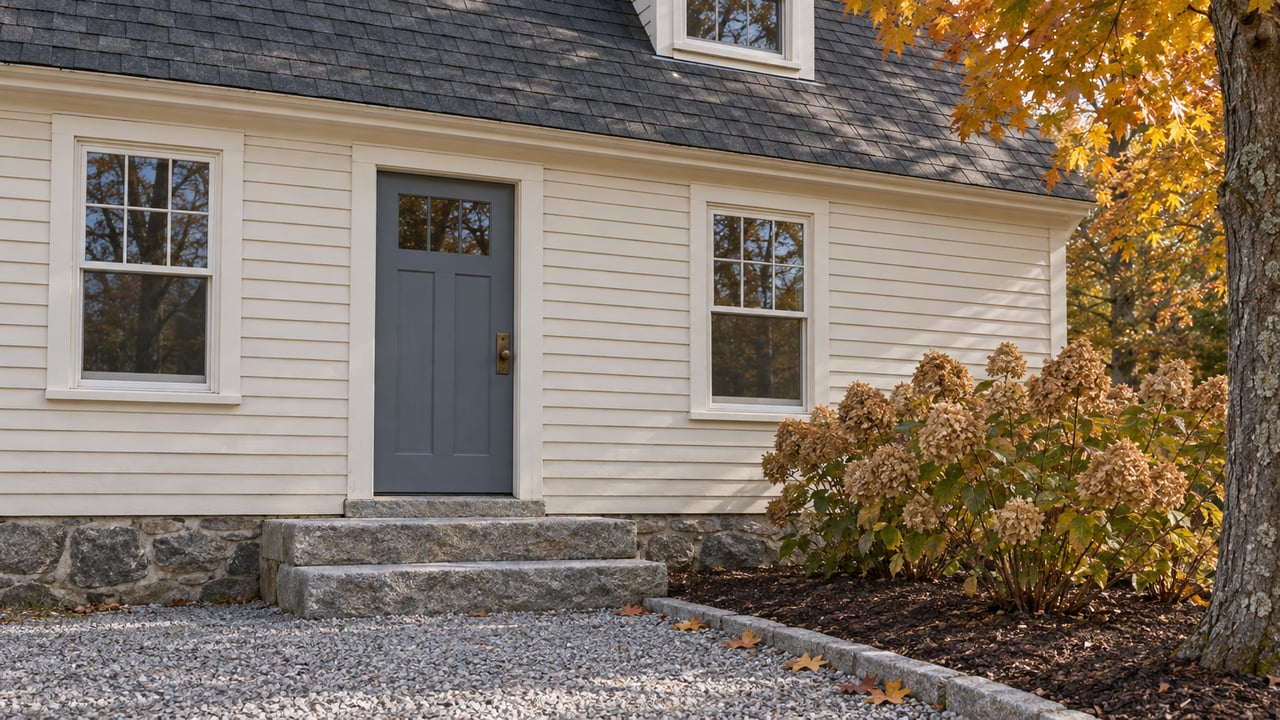
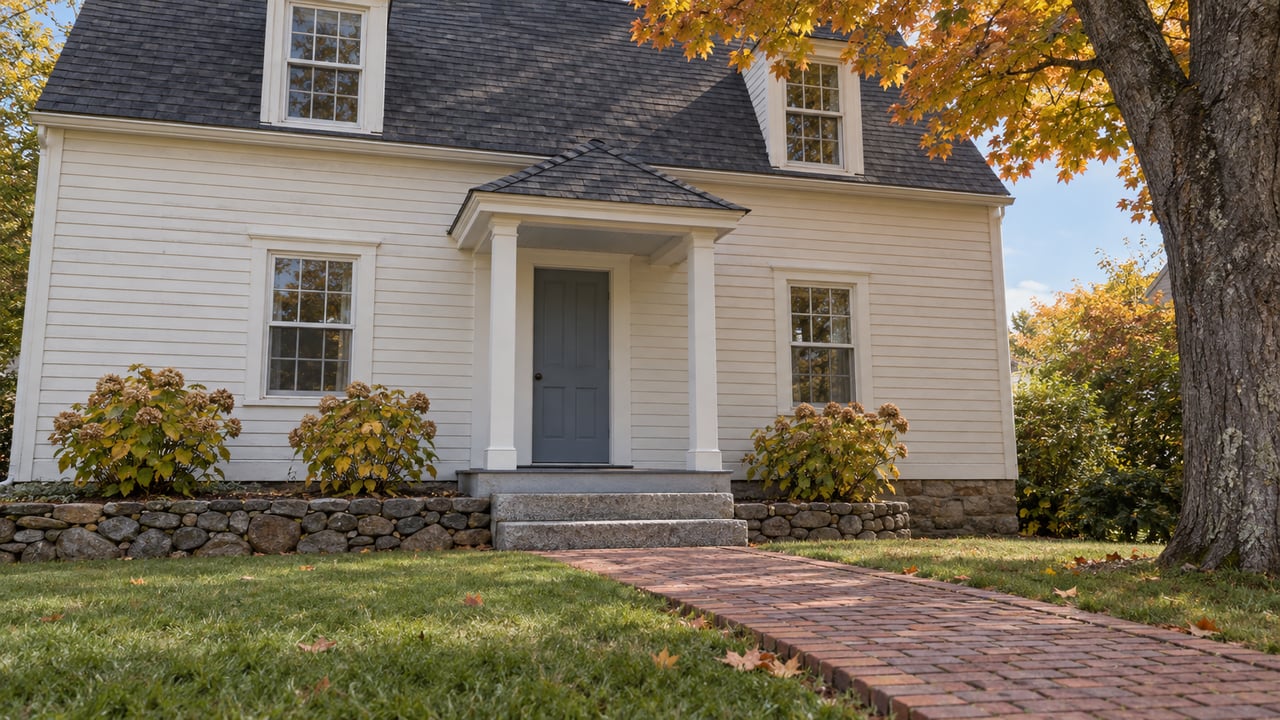
Detached homes in Quechee are typically fee‑simple ownership, which means you own the house and the lot. You handle exterior upkeep, including roof, siding, driveway, and grounds, plus snow clearing for private drives. These homes still sit within QLLA boundaries, so you enjoy Club membership and community access along with more autonomy, yard space, and often a garage. Prices span a wide range, from mid‑market options to higher‑end properties.
Maintenance: who does what
If you buy a townhome or condo
- What the HOA often covers: exterior maintenance, roof or building envelope, landscaping, plowing on association roads and shared drives, trash collection, and care for on‑site amenities. Coverage differs by association, so confirm details in writing.
- What you cover: interior repairs and finishes, in‑unit systems, personal property, and your portion of insurance with an HO‑6 policy. Deck or balcony care can be shared or limited‑common element maintenance, depending on the documents.
- What to check first: the reserve study, recent or pending special assessments, any active litigation, the master insurance policy and deductibles, rental rules, and whether short‑term rentals are allowed.
If you buy a standalone home
- What you handle: all exterior work, roof replacement when needed, lawn and landscaping, private driveway plowing, and insurance for the entire structure and contents with an HO‑3 policy. If the property uses a private well or septic, add servicing to your budget.
- Seasonal reality: Vermont winters require planning for fuel deliveries, snow management, and freeze protection. If you are moving from a condo lifestyle, plan for both time and contractor costs.
Winter and energy planning
Heating systems in Quechee run the gamut: propane or oil boilers, electric baseboard, mini‑split heat pumps for year‑round comfort, and wood or pellet stoves for supplemental heat. If you want to improve efficiency or add cooling, review current rebates and guidance for cold‑climate heat pumps through Efficiency Vermont’s rebate list. Ask for recent utility averages, fuel type, equipment age, and any weatherization work.
Financing and insurance realities
Condo financing 101
Lenders underwrite condos differently than standalone homes. Many conventional and government loans require the project to meet warrantability standards, including limits on investor concentration, adequate reserves, and no disqualifying litigation. If a project is non‑warrantable, you may need a portfolio loan with different terms. Raise this with your lender early and have your agent confirm project eligibility before you write an offer. For a plain‑English overview of why this matters, see this guide on condo project eligibility and financing.
Insurance: HO‑6 vs HO‑3
Condo owners typically carry an HO‑6 policy that insures the interior of the unit, contents, and liability, while the association’s master policy covers the building exterior and common areas. Standalone homes use HO‑3 coverage that insures the entire dwelling, contents, and liability, which usually results in higher premiums. Learn the basics in this explainer on condo insurance vs homeowners insurance, then confirm specifics after reviewing the HOA master policy.
Rental considerations in Quechee Lakes
Short‑term rental rules are set at multiple levels. Some associations allow them freely, some require registration, and others limit the number of nights. Vermont also updated its tax rules for short‑term lodging with a new 3 percent statewide surcharge effective August 1, 2024, which stacks on top of the existing 9 percent rooms and meals tax, plus any 1 percent local option tax where applicable. Read a plain‑language summary of the change in this short‑term rental tax update. Hosts are responsible for registration with the Vermont Department of Taxes and for following any Town of Hartford requirements.
Match your lifestyle to the right home
- Second‑home, lock‑and‑leave: Townhome or condo. Exterior care is handled, and you are close to Club amenities. Ownership includes automatic Club membership so you can focus on four‑season fun. Review the program at QLLA & Our Club.
- Full‑time household seeking space and flexibility: Standalone home. You gain a yard, garage options, and more control over improvements. For school context, Quechee is served by the Hartford School District; start with the district’s schools page for neutral, factual information.
- Retiree or downsizer: Townhome or condo. Smaller maintenance burden with built‑in social life through the Club’s calendar.
- Investor or occasional user: Either can work. Your choice depends on HOA rental rules, financing, and projected cash flow after state and local lodging taxes.
- Financing‑sensitive buyer: If you rely on FHA, VA, or conforming conventional loans, verify condo project eligibility early. A non‑warrantable project can shift your loan options and total cost.
Quick questions to ask before you offer
- HOA documents: current budget, reserve study, last two years of minutes, master insurance policy and deductibles, and rules on pets, rentals, noise, and exterior changes.
- One‑time fees: any Club or association buy‑ins and how they are paid.
- Heating and winter readiness: fuel type, age and service history of boiler or furnace, presence of mini‑split heat pumps, insulation levels, and any frozen‑pipe history. Check possible rebates at Efficiency Vermont.
- Financing and warrantability: confirm with your lender whether the condo project meets your loan program’s requirements. If needed, review what a non‑warrantable project means using this condo financing explainer.
- Short‑term rentals: whether the HOA allows them, and how Vermont’s rooms and meals tax plus the 3 percent surcharge affect pricing and compliance.
- Recent comps and taxes: request the seller’s last property tax bill and use live comps for price per square foot.
Townhome or standalone? How to decide
- Clarify your must‑haves. Do you value walking to the Club more than a private yard? Are you willing to schedule plowing and roof care in winter, or do you want the HOA to handle it?
- Compare true monthly costs. Add HOA dues to your mortgage, taxes, insurance, and utilities for condos. For standalone homes, add estimated snow removal, landscaping, reserves for exterior work, and full‑structure insurance.
- Stress‑test financing. If you are eyeing a condo, have your lender review the project early. Ask your agent to request the condo questionnaire and key HOA documents.
- Think about seasonality. If you plan to rent, map demand peaks around fall foliage, ski season, and Dartmouth events, then confirm association and town rules.
Ready to tour Quechee Lakes?
Whether you lean toward a lock‑and‑leave townhome near Lake Pinneo or a quiet standalone on a wooded lot, local insight makes the choice clear and confident. If you want a short list of villages or streets that fit your lifestyle, or you are ready to compare true monthly costs side by side, reach out to Sandy Reavill for a friendly, no‑pressure consult.
FAQs
What does Quechee Club membership include for homeowners?
- Property ownership in Quechee Lakes grants automatic membership with access to golf, pools, racquet facilities, a small ski hill, trails, and Lake Pinneo; see details at QLLA & Our Club.
Are Quechee townhomes legally condos and how does that affect me?
- Many townhomes are legally condominiums, which means shared ownership of common elements, HOA dues, and different lending and insurance requirements than standalone homes.
How do condo loan rules differ from single‑family financing?
- Many loans require the condo project to meet eligibility standards; non‑warrantable projects may need portfolio loans, so ask your lender early and review this condo financing guide.
What insurance do I need for a condo vs a house in 05059?
- Condo owners typically carry HO‑6 coverage for interiors and contents while standalone owners carry HO‑3 for the dwelling and contents; learn the basics from this insurance overview.
Can I operate a short‑term rental in Quechee Lakes?
- It depends on HOA rules and town requirements; Vermont also applies a 9 percent rooms and meals tax plus a 3 percent statewide surcharge to short‑term stays, and hosts must register with the state.