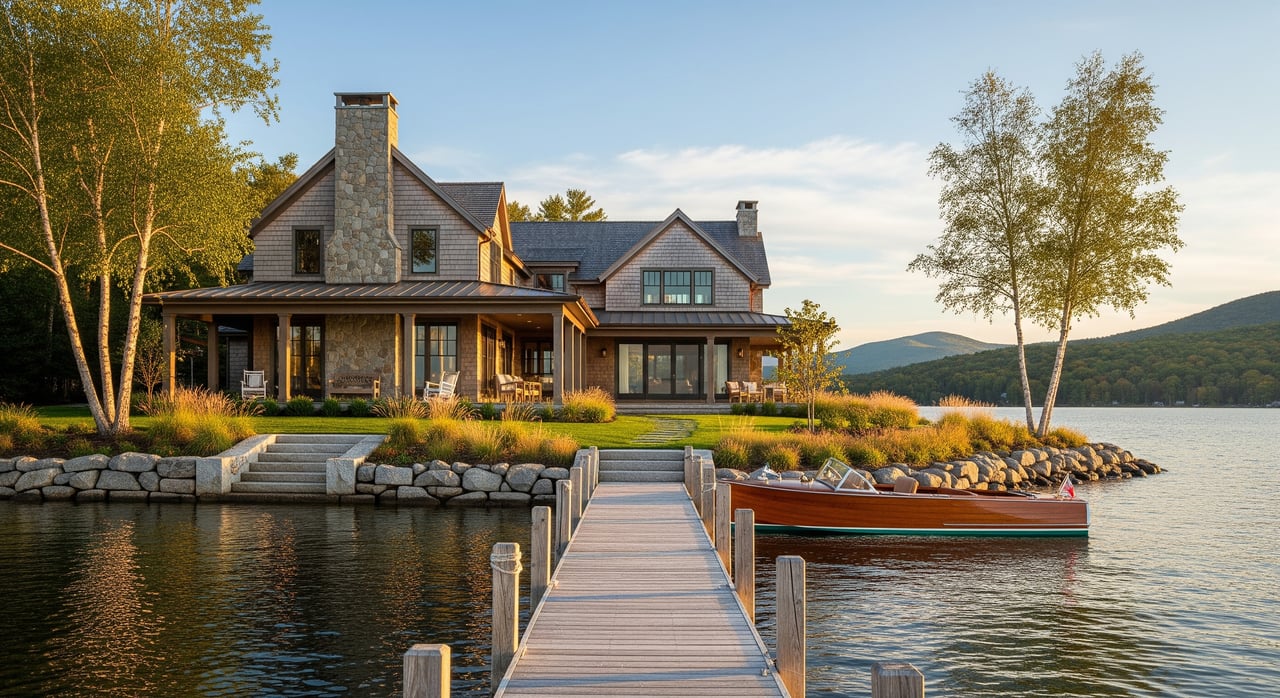
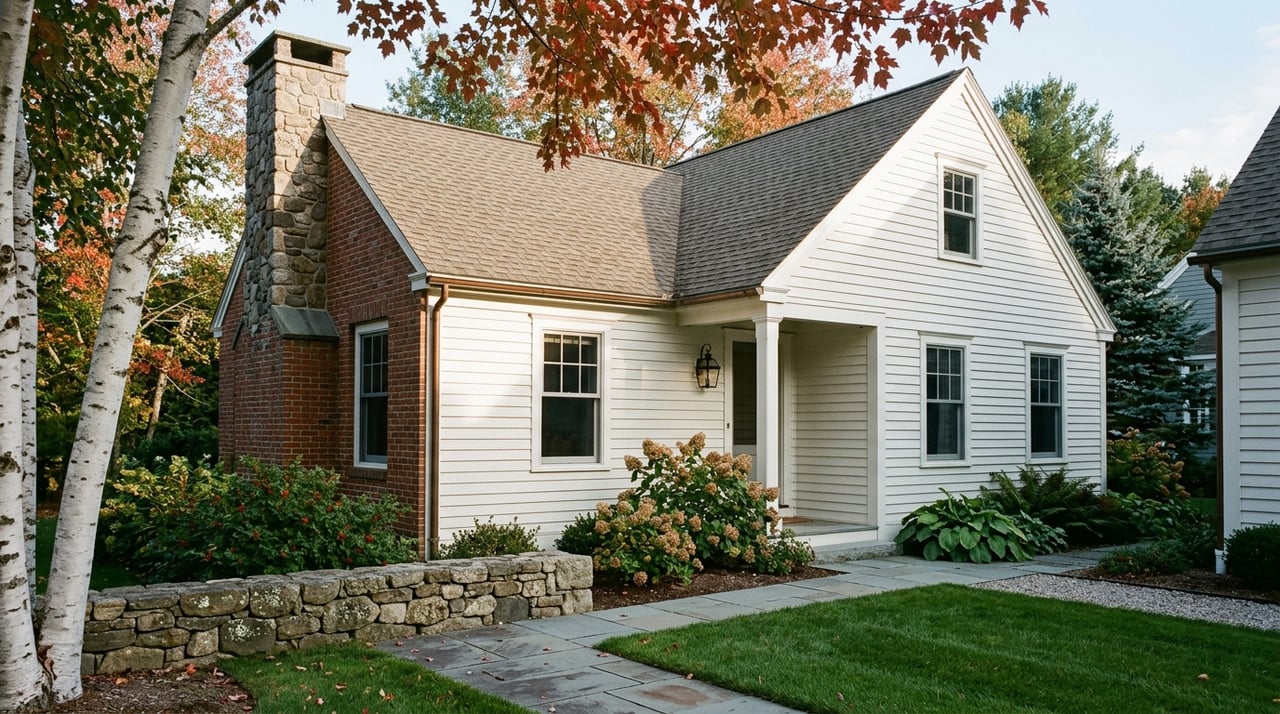
Dreaming about a place on Lake Sunapee where you can boat in summer and ski nearby in winter? Financing a second home here can look different than financing your primary residence, and small details can change your loan options and rate. If you understand how lenders classify second homes versus investments, what down payments and reserves to expect, and the local checks common around the lake, you will be ready to move fast when the right property hits the market. This guide breaks it all down and gives you a Sunapee‑specific pre‑approval checklist to streamline the process. Let’s dive in.
Second home vs. investment: how lenders decide
Lenders start with how you plan to use the property. Your intended occupancy and any expected rental activity drive the loan type, down payment, and pricing.
- Second home: You plan to use the home for personal enjoyment, not as your main residence. It should be suitable for year‑round occupancy and available to you for a meaningful portion of the year.
- Investment property: The primary purpose is generating income through rentals. Short‑term rental plans, even seasonal, often push a property into investment territory with many lenders.
- Primary residence: Your main home, not typical for Lake Sunapee buyers who already own elsewhere.
Why this matters:
- Allowed products: Conventional loans support second homes and investments. Government programs like FHA, VA, and USDA generally require primary residence occupancy.
- Down payment: Second homes typically require less down than investment properties.
- Rates and fees: Investment loans usually cost more than second‑home loans.
- Underwriting: Investment loans can require leases or rental history, higher cash reserves, and stricter documentation.
- HOA or town rules: Rental restrictions can affect whether a lender treats the property as a second home or an investment.
If you plan occasional personal use and light, infrequent renting, clarify details with your lender early. Underwriters may reclassify to investment if rental frequency or marketing looks more like a business than personal use.
Down payment, rates, and reserves: what to expect
Exact requirements vary by lender, credit profile, and loan size, but these are common ranges in today’s market:
- Second home, one‑unit conventional: Often around 10 percent down. Some lenders require 15 percent or more, and jumbo loans may call for 20 percent or higher.
- Investment property, one‑unit: Commonly 15 to 25 percent down. Multi‑unit investments often require 25 percent or more.
Pricing and credit:
- Rate tiers usually run primary residence, then second home, then investment at the highest. Expect a modest rate premium for second homes and a larger premium for investments.
- Stronger credit profiles help qualify and improve pricing for both second home and investment loans.
Reserves and debt‑to‑income:
- Second home: Many lenders want 2 to 6 months of PITI in reserves.
- Investment property: Often 6 months or more, sometimes higher for larger balances.
- DTI limits are often similar across property types, but lenders may be more conservative on second‑home and investment files.
Rental income and appraisal:
- Investment loans may use a portion of documented rental income to qualify. Second homes generally do not.
- Lakefront appraisals factor in docks, views, water access, and seasonality. Limited comparable sales can affect valuation and timelines.
Sunapee‑specific checks lenders care about
Lake Sunapee properties come with unique features. Getting ahead of these items saves time and stress during underwriting.
Flood risk and insurance
- Some lakefront parcels lie in FEMA Special Flood Hazard Areas. Flood insurance is required when applicable and can change your monthly payment and qualifying numbers.
- Ask early for the property’s flood zone status and whether an Elevation Certificate exists. Premiums and deductibles can vary.
Septic, wells, and utilities
- Many homes rely on private wells and onsite septic systems. Lenders commonly request recent inspections or proof of proper functioning and permits.
- Issues can delay closing or require repairs or escrows. Plan inspections as soon as you are under contract.
Shoreline regulations and permits
- Docks, boathouses, and shoreline improvements often need permits under state shoreland rules and local ordinances.
- Lenders and title companies may ask for evidence that shoreline structures are permitted or grandfathered. Noncompliance can be a financing and title problem.
HOAs, condos, and rental rules
- Some lake communities have HOAs or beach associations. Lenders will review budgets, reserves, meeting minutes, litigation, and rental restrictions.
- Condo and planned‑unit communities face additional project reviews. Owner‑occupancy ratios and budget health matter.
Short‑term rental expectations
- If you plan frequent short‑term rentals, many lenders will classify the home as an investment with higher down payment and reserves.
- Sunapee and nearby towns may have rules for seasonal or short‑term rentals. Ask your agent and lender how local restrictions affect financing and projected income.
Taxes and insurance
- New Hampshire has no state income tax, but property taxes vary by town. Lakefront assessments can be higher, which affects escrow estimates.
- Insurance premiums for waterfront homes may be higher due to wind, water exposure, and outbuildings. Add flood insurance if required.
Appraisal comps and seasonality
- Comparable sales can be limited, especially off‑season. An appraiser familiar with Lake Sunapee will understand how to adjust for access, views, frontage, and docking.
- Local lenders often use appraisers who know the lake, which reduces rework and surprises.
Why a Sunapee‑savvy local lender helps
A lender who regularly closes Lake Sunapee and Sullivan County loans can give you practical advantages:
- They understand shoreline permitting, typical title exceptions, and HOA patterns around the lake.
- Their appraiser panels know how to value docks, frontage, and year‑round access, which supports more accurate appraisals.
- They have relationships with septic inspectors, well testers, surveyors, and local title companies that speed up due diligence.
- They can help you decide whether your rental plan fits second‑home rules or triggers an investment classification.
A quick note on comparison shopping: some local lenders may have narrower product menus, while national lenders may be broader but less flexible about Sunapee nuances. Always compare written loan estimates, timelines, and conditions.
Your Lake Sunapee pre‑approval checklist
Use this checklist before applying to show lenders you are organized and ready.
Personal and financial documents
- Government ID and Social Security number.
- Last 2 years of tax returns and W‑2s; business returns if applicable.
- Recent pay stubs covering 30 days.
- Asset statements for the last 2 months for bank, brokerage, and retirement accounts.
- Documentation for large deposits or non‑payroll funds.
- Proof of additional income you want to use, such as pensions or Social Security.
Property details to collect early
- Address, MLS number or parcel ID, and listing agent contact.
- Any HOA or association materials available: bylaws, budget, recent minutes, rental policy, and special assessment history.
- Latest property tax bill or assessment information from the Sunapee assessor.
- Seller disclosures, especially about shoreline structures, docks, bulkheads, or improvements.
- Any existing survey, site plan, or plot plan showing setbacks, easements, and dock location.
- Septic inspection, pumping receipt, or maintenance records. If none, plan to inspect quickly.
- Well water test results if available, or schedule testing.
- Flood zone determination and any Elevation Certificate on file.
- Your intended use statement describing personal occupancy. If you plan rentals, outline expected frequency and method.
- Historic rental records or leases if the property has been rented and you intend to rely on that history.
Lender questions to ask up front
- Which products fit this property: conforming, jumbo, or portfolio options?
- Minimum down payment, reserve requirements by months of PITI, and expected credit score ranges for second home vs. investment.
- How is short‑term rental activity classified? What rental frequency triggers investment status?
- Will seasonal occupancy count for second‑home classification, or is year‑round use required?
- Flood insurance expectations and whether an Elevation Certificate is needed.
- HOA or condo review fees and timing if applicable.
- Appraisal ordering process and whether they use appraisers familiar with Lake Sunapee.
- Realistic timeline from pre‑approval to clear‑to‑close and common local snags.
Budget and timeline items to plan for
- Appraisal fees, with a potential second appraisal or review if comps are limited.
- Septic and well inspections, plus possible remediation costs.
- Flood and hazard insurance premiums.
- Survey or boundary verification, especially near the waterline or shared access points.
- HOA document and condo project review fees if applicable.
- A competitive earnest money deposit for desirable listings.
Make your offer stronger
You can position your offer well in a competitive lakefront market by pairing a clean pre‑approval with local due diligence:
- Share your lender’s second‑home classification in writing and show proof of funds for down payment and reserves.
- Order key inspections early, especially septic and well, to reduce uncertainty.
- Confirm flood zone and insurance quotes during your offer window to tighten timelines.
- Work with your agent to understand shoreline permits, dock rights, and any association rules that could affect closing.
Put local expertise to work
When you understand how lenders look at Lake Sunapee homes and prepare the right documents up front, you can pursue the lake lifestyle with confidence. If you want help matching your goals to the right financing strategy and property type, reach out to VTNH Realty for local guidance and introductions to Sunapee‑savvy lenders. We are here to help you find the right fit and move from pre‑approval to keys in hand.
FAQs
What is the difference between a second home and an investment property for Lake Sunapee financing?
- Lenders view a second home as primarily for your personal use and suitable for year‑round occupancy, while an investment property is primarily for rental income. Classification affects down payment, rate, reserves, and documentation.
How much do I need to put down on a Lake Sunapee second home?
- Many conventional second‑home loans start around 10 percent down, with some lenders asking for 15 percent or more. Jumbo loans often require 20 percent or higher.
Will occasional short‑term rentals push my Lake Sunapee home into investment status?
- It depends on the lender and how frequently you rent. In many cases, regular short‑term rentals or marketing for income will lead to investment classification with higher down payment and reserve requirements.
What inspections are most important for Lake Sunapee properties?
- Septic and well inspections are common, along with confirming shoreline permits, dock rights, and flood zone status. These items often appear in lender and title reviews.
Why should I consider a local lender for a Sunapee purchase?
- Local lenders typically use appraisers familiar with Lake Sunapee, understand shoreline permitting and HOA patterns, and have relationships with local inspectors and title companies. That can reduce delays and help you close smoothly.