What Zillow Won't Tell You about buying Rural in VT & NH
February 27, 2026
February 27, 2026
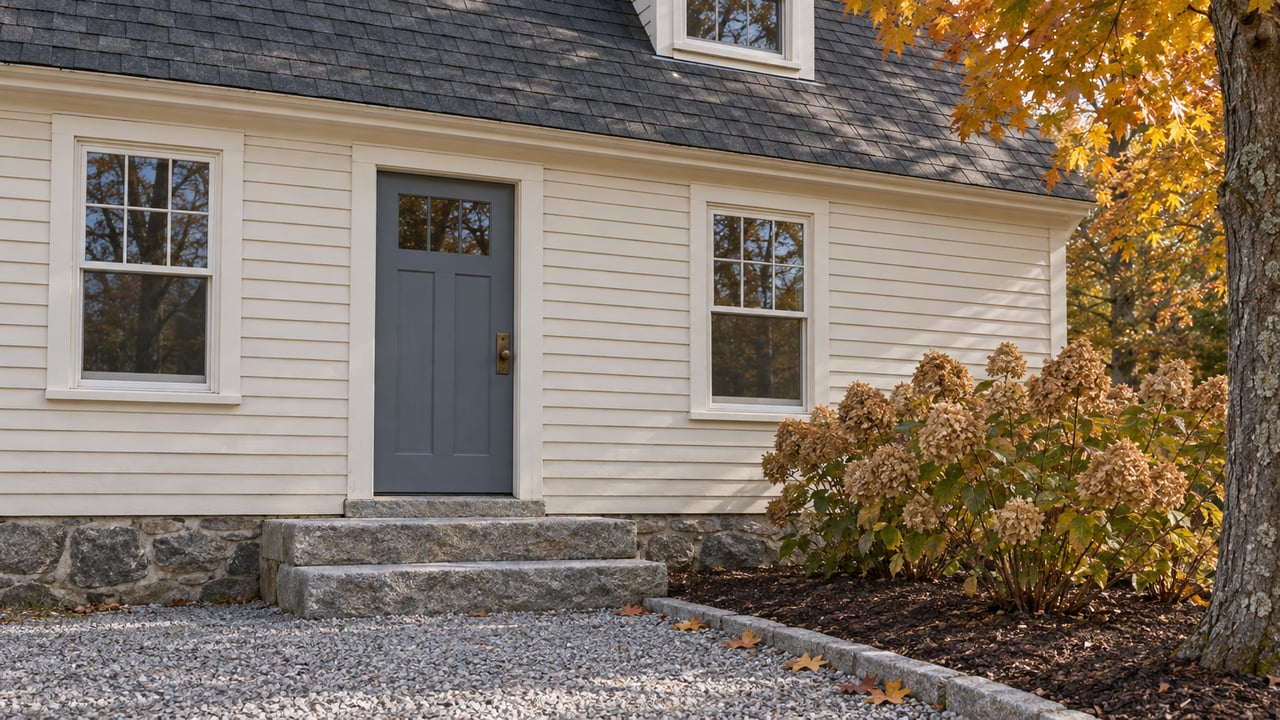
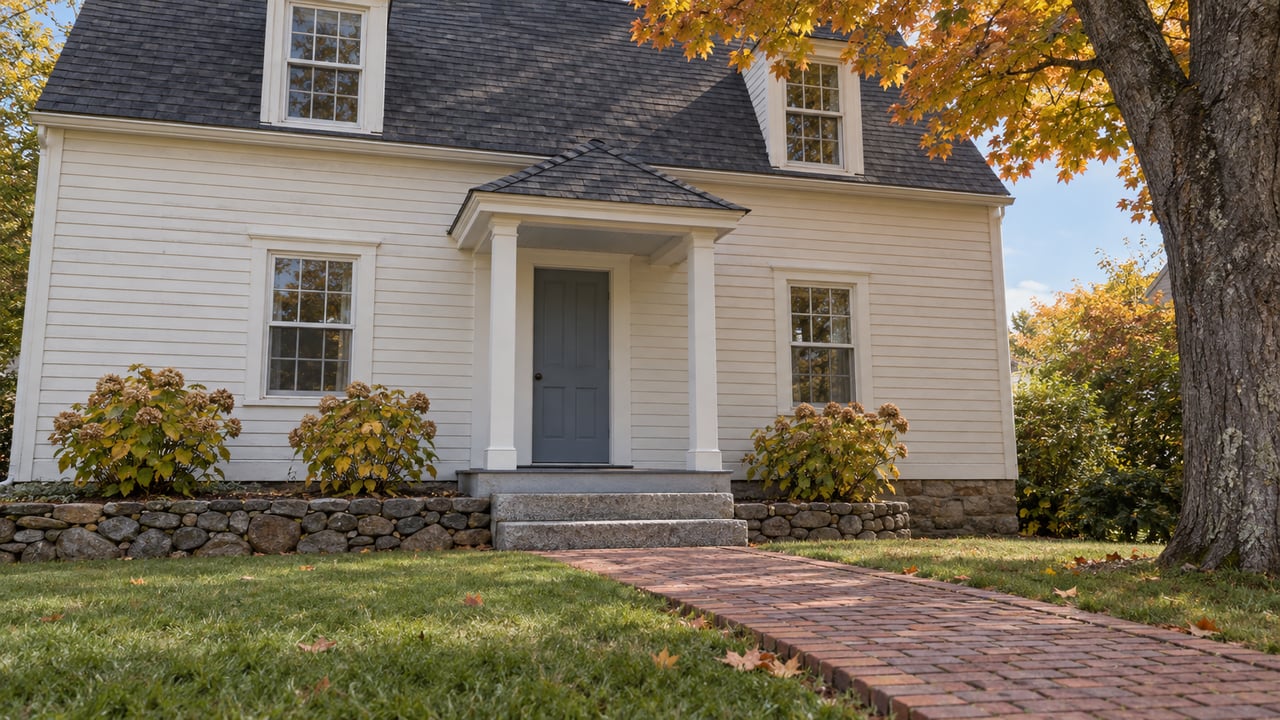
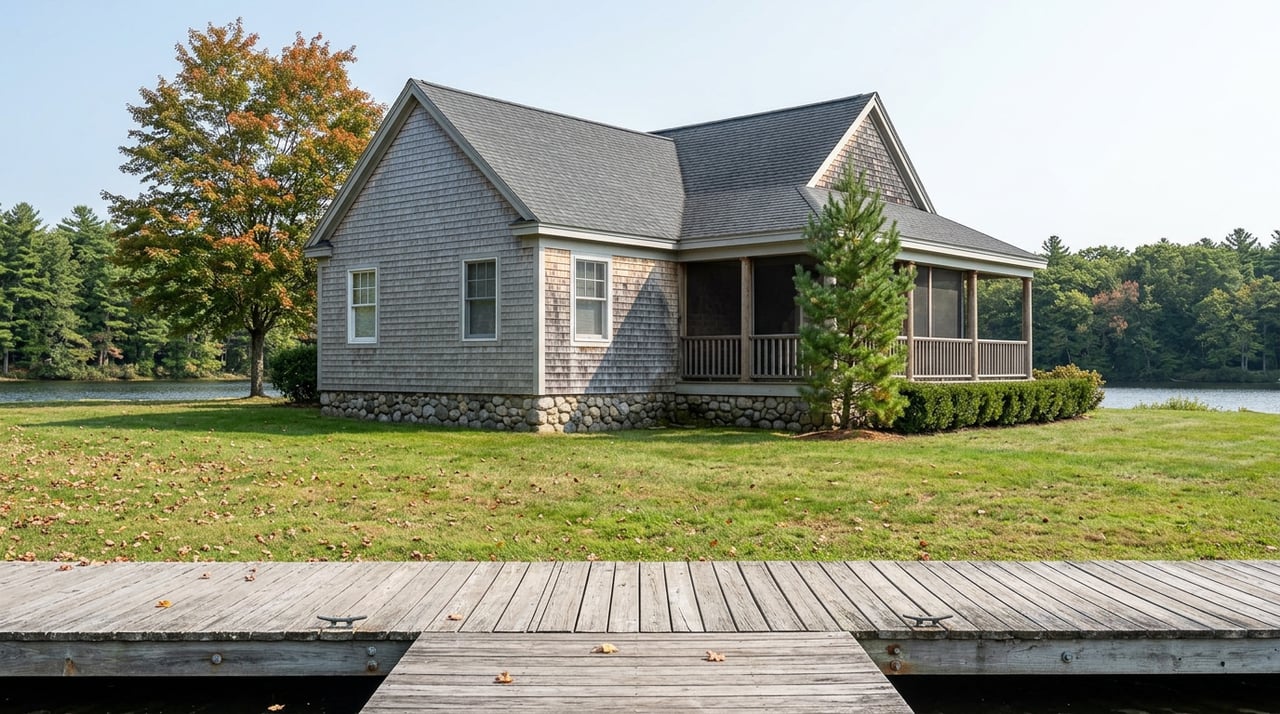
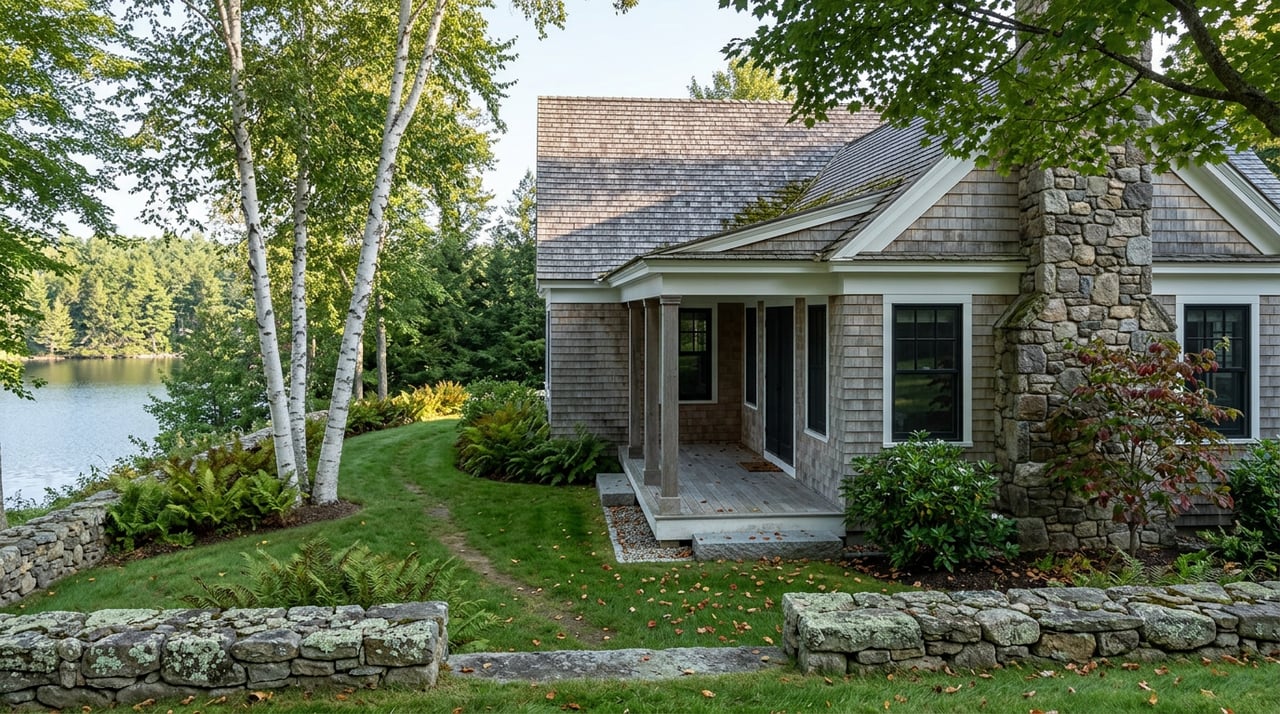
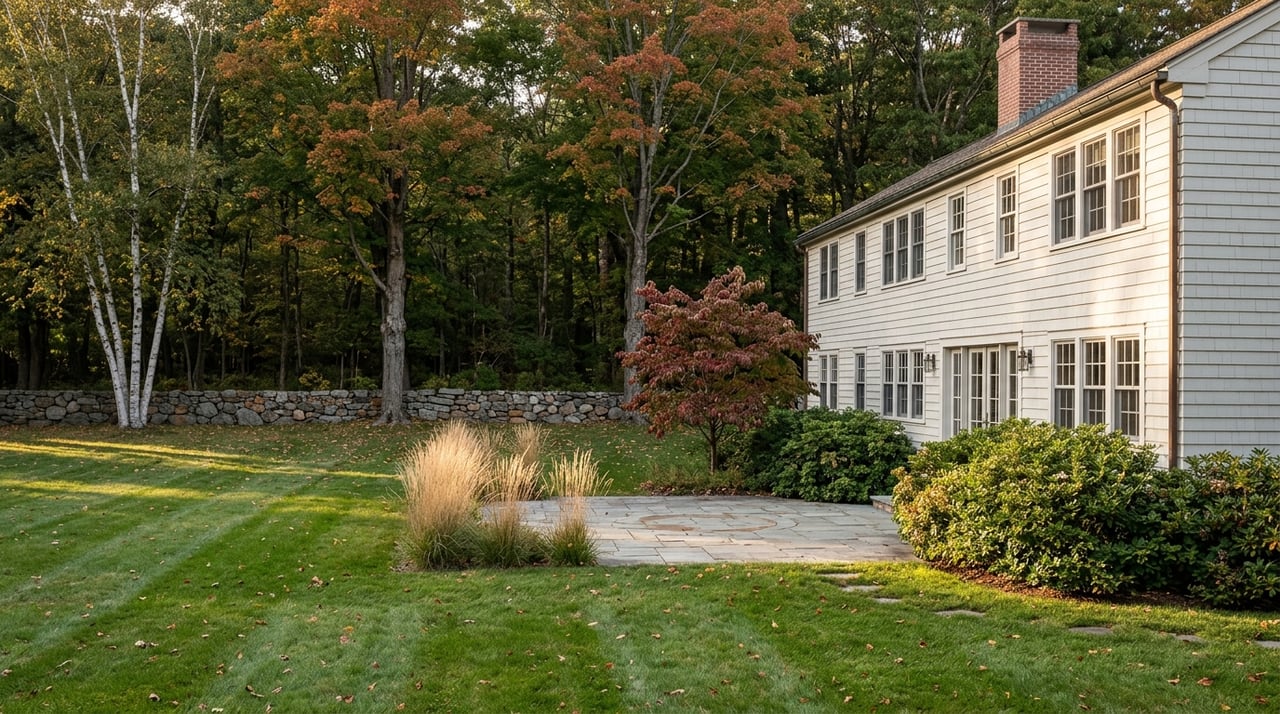
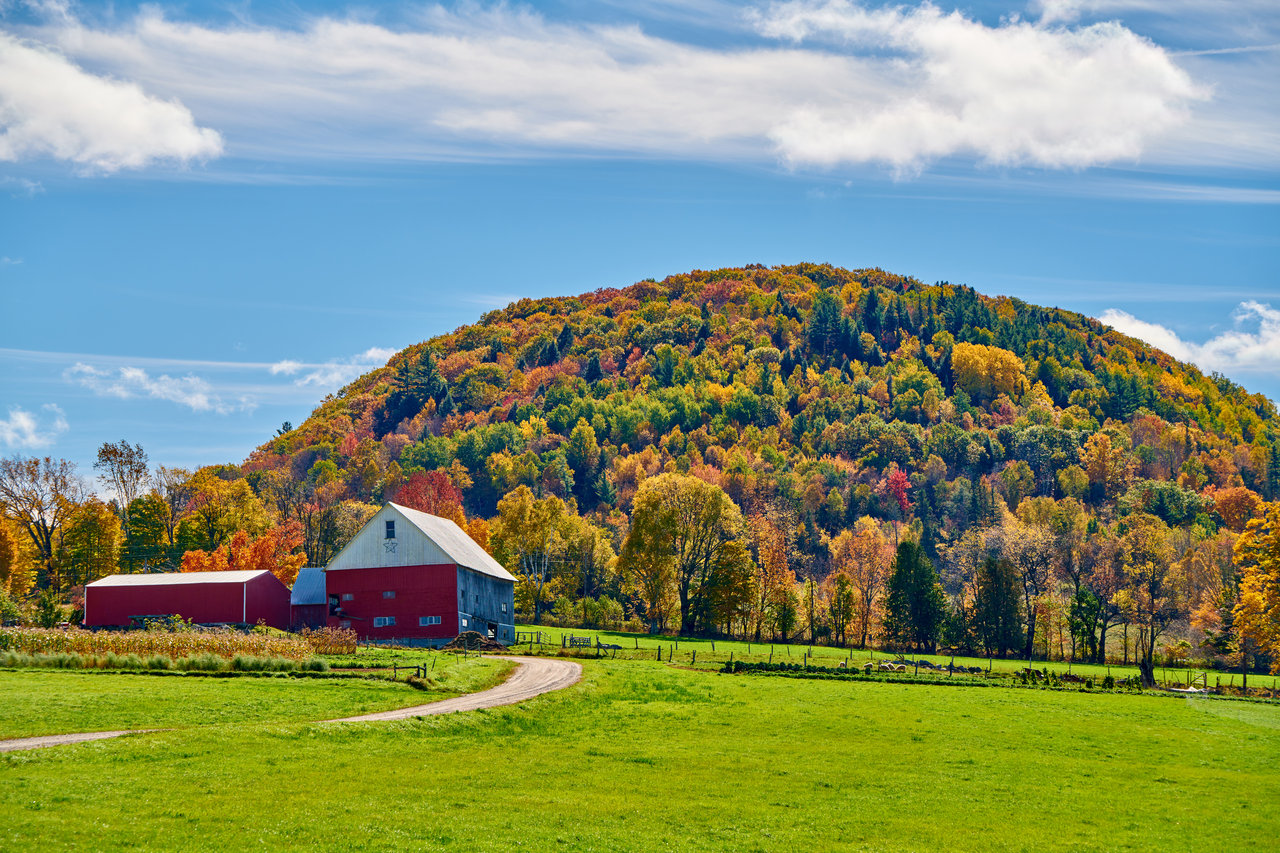
You've seen the pictures. A classic Vermont farmhouse nestled in rolling green hills, or a rustic New Hampshire cabin with a backdrop of fiery autumn leaves. It's a powerful dream, and scrolling through listings online makes it feel tantalizingly close. But the truth is, those picture-perfect properties hide a world of complexity that real estate websites simply can't show you.
In the city, you take for granted that when you flush the toilet or turn on the tap, the infrastructure just works. In the country, you own that infrastructure. Understanding these three pillars of rural living is the first step to a smart purchase.
Most rural properties have a private septic system, which means you are the sole owner of a miniature, on-site wastewater treatment plant. It's a complex and expensive piece of equipment buried in your yard. A standard home inspection often isn't enough. We've seen buyers get a "passing" septic inspection, only to face a $16,000 replacement a year later because the system was old and poorly maintained. A full septic replacement in Vermont or New Hampshire can easily cost between $15,000 and $40,000, or even more for difficult sites.
State regulations add another layer of complexity. In Vermont, the septic system's design dictates the legal number of bedrooms a home can have. In New Hampshire, strict rules apply to systems on waterfront properties, which were updated as recently as 2024. This isn't just a maintenance issue; it's a core component of your property's value and functionality.
Private wells come with their own set of concerns. It's not enough for the water to be "safe to drink." We've seen homeowners discover their well water has a low pH, making it acidic enough to corrode copper pipes and fixtures over time, requiring an expensive neutralizing system. Another common issue is well productivity. A well might provide plenty of water in the spring but run low during the drier summer months, forcing you to take quick showers and spread out laundry loads.
Before you buy, you need a comprehensive water test that checks for common contaminants and a flow test to ensure the well can meet your household's needs year-round. A home in a beautiful area like the Upper Valley deserves a reliable water source.
A long, private driveway is often part of the rural charm, but it's also your responsibility. That means budgeting for grading, gravel, and most significantly, snow plowing. But the bigger issue is legal access. If your property is accessed via a road crossing a neighbor's land, you must ensure a formal, deeded right-of-way exists. Without it, a new neighbor could potentially restrict your access, leaving your property landlocked. It's a rare but devastating possibility that underscores the importance of a thorough title search.
Some of the most significant aspects of a rural property aren't visible to the naked eye. Invisible lines drawn on a survey map or in a dusty deed can have a major impact on your enjoyment and use of the land.
An easement is a legal right for someone else to use a portion of your property for a specific purpose. It could be a utility company's right to run power lines, a neighbor's right to cross your land to get to their own, or a shared right to access a waterfront. While often harmless, an easement can limit your privacy or restrict where you can build. A thorough title search is essential to uncover any easements tied to the property.
In areas with properties that have been around for centuries, boundary lines can be surprisingly vague. That "old stone wall" mentioned in a 19th-century deed may have crumbled or moved. The only way to know exactly what you are buying is to get a property survey. For a property with significant acreage, like a house with a barn, a survey is a critical investment to prevent future disputes with neighbors.
In today's world, a reliable internet connection is no longer a luxury; it's a utility as essential as electricity. Yet in many rural areas of Vermont and New Hampshire, high-speed internet and even basic cell service are not a given.
Many buyers are shocked to discover that the digital divide is still a major issue. Roughly 39% of Americans in rural areas lack access to high-speed broadband. You might have full bars of cell service in the town center, only to find yourself in a complete dead zone at the property itself. Don't rely on carrier coverage maps. The only way to know for sure is to visit the property and make a call.
Even if broadband is available in the area, you might encounter the "long driveway problem." A provider may be able to bring service to the road, but running a line a quarter-mile down your driveway could cost you thousands of dollars out of pocket.
For many remote properties, satellite internet is the only viable option. Services like Starlink can provide impressive speeds, but they come with a higher monthly cost and a significant upfront equipment fee. Some areas are also served by regional wireless providers, which can be a good alternative. The bottom line is to do your homework. Confirm exactly which providers service the physical address and get a quote for installation before you commit.
Securing a mortgage for a rural property can be more challenging than for a home in a subdivision. Lenders view rural properties as having more variables and, therefore, more risk.
One of the first hurdles is the appraisal. In areas with fewer recent sales and a wide variety of unique properties, it can be difficult for an appraiser to find comparable properties to establish a value. If the appraisal comes in lower than the purchase price, the lender will only finance the appraised value, leaving you to cover the gap out of pocket.
Many traditional lenders have strict rules that can make financing a rural home difficult. Properties with large acreage, outbuildings, or those needing a "small mortgage" can fall outside of conventional lending standards. This often means buyers face higher down payment requirements, sometimes as much as 20% to 50% for raw land, and less favorable interest rates.
Fortunately, there are solutions. Specialized lenders who understand the rural market, like Farm Credit, and government-backed programs, such as USDA Rural Development loans, are designed specifically for these types of properties. Understanding your financing options is as crucial for a successful purchase as it is for a smooth transaction when you eventually become a seller.
Beyond the property itself, you're also buying into a local regulatory environment. Vermont and New Hampshire have unique state-level programs that can have a significant impact on what you can do with your land.
Enacted in 1970, Act 250 is Vermont's landmark land use and development law. It creates a review process for large-scale development and subdivision to protect the state's natural resources and rural character. If you're planning to subdivide your land or undertake a major construction project, you'll need to understand how Act 250 might apply. It's also worth noting that Vermont is actively overhauling this law, so the rules are evolving.
New Hampshire's Current Use program allows landowners with 10 or more acres of undeveloped land to have their property taxed at a much lower rate. It's a powerful incentive to preserve open space. However, there's a catch: if you ever develop the land or otherwise change its use, you'll be assessed a one-time Land Use Change Tax, which is 10% of the property's full market value. It's a crucial factor to consider if you have future development plans.
If you are ready to find your advantage in the Rural Vermont or New Hampshire real estate market, let’s connect. Need professional real estate help ? Contact us today at Sandy and Brooks Reavill.
Stay up to date on the latest real estate trends.