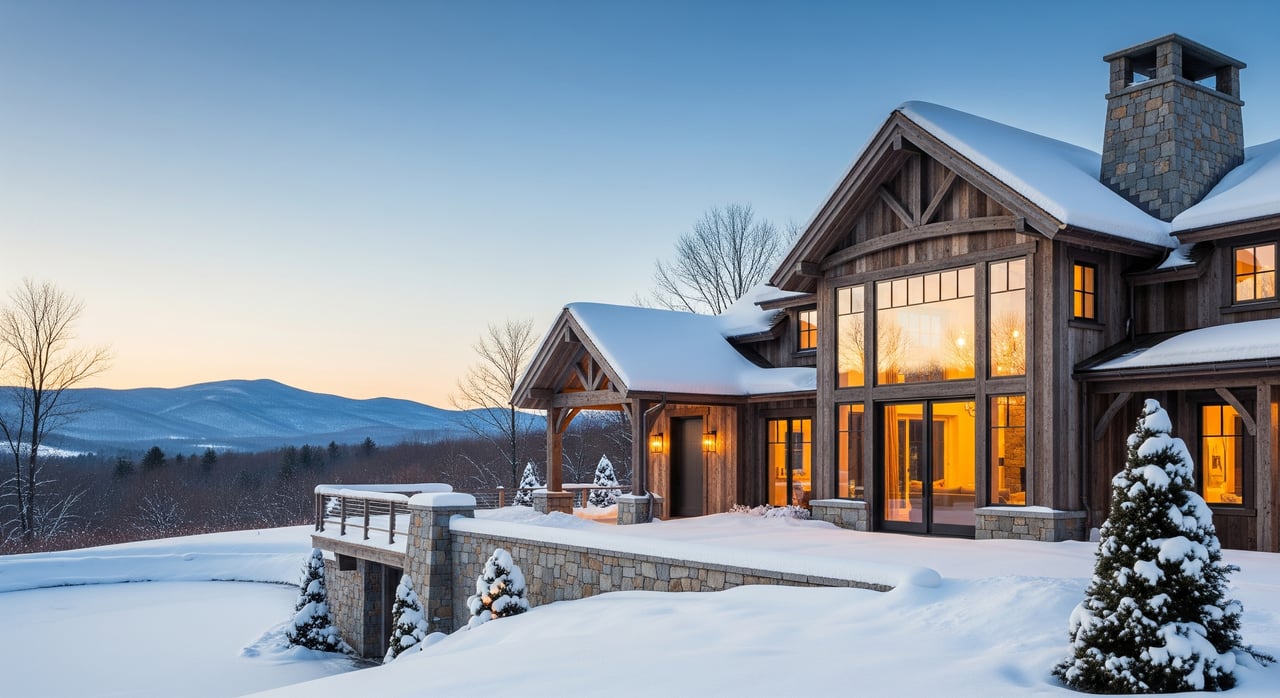
List Your Quechee Lakes Home For Peak Ski-Season Demand
December 18, 2025
December 18, 2025
Are you hoping to sell your Quechee Lakes home while ski demand is at its peak? Many owners wait until the holidays, only to find the best buyers have already made plans. If you want top attention from winter buyers and investors, timing, winter‑ready staging, and strong multimedia are your edge. This guide shows you when to list in 05059, how to present for cold‑weather appeal, and how to reach remote buyers who shop from afar. Let’s dive in.
Ski season in New England typically runs from late November through March. Buyer interest for ski‑accessible second homes surges in the fall as people plan winter stays or look for rental income. If you list after mid December, you risk missing shoppers who already booked their winter plans.
Plan to list between mid September and mid November to capture peak search behavior. If you want holiday or early winter bookings, aim for September so you are visible before Thanksgiving. In resort markets with limited supply, readiness and condition influence how fast you go under contract.
Give yourself 4 to 8 weeks before your target list date to prepare. Use this time for winter‑forward staging, professional media production, and assembling documents buyers will request. Being market‑ready before Thanksgiving improves your odds of early showings.
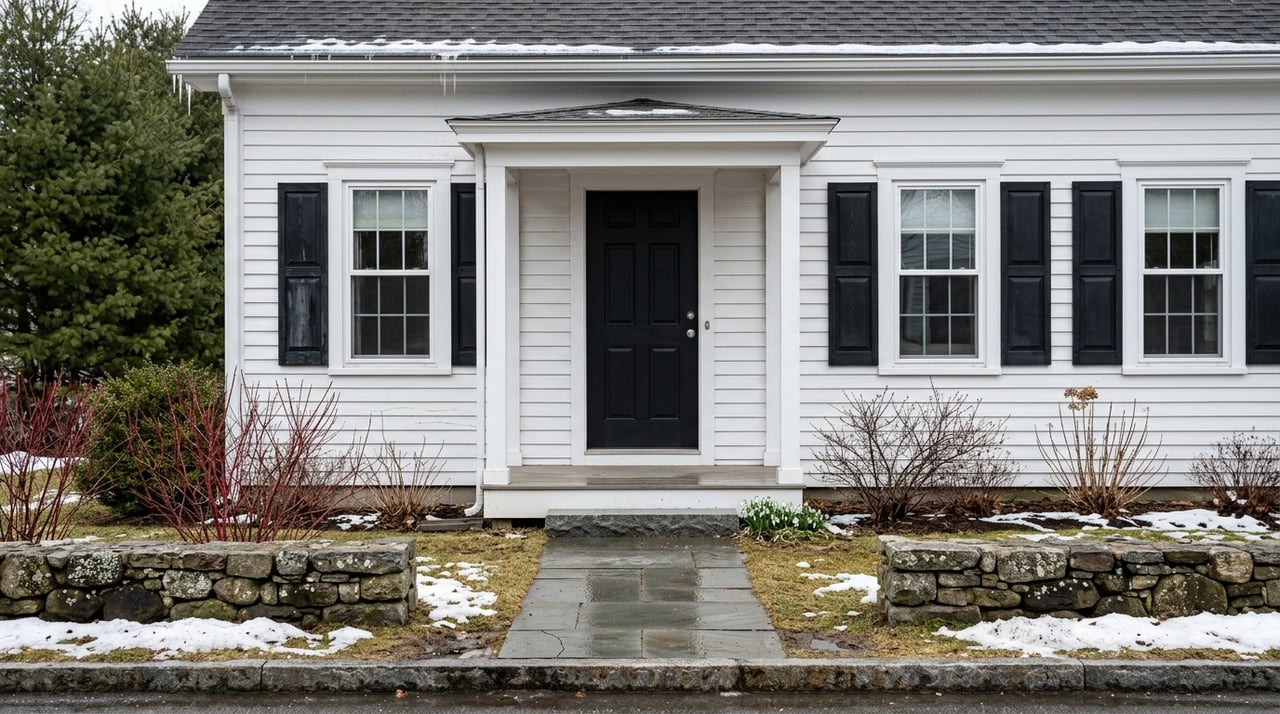
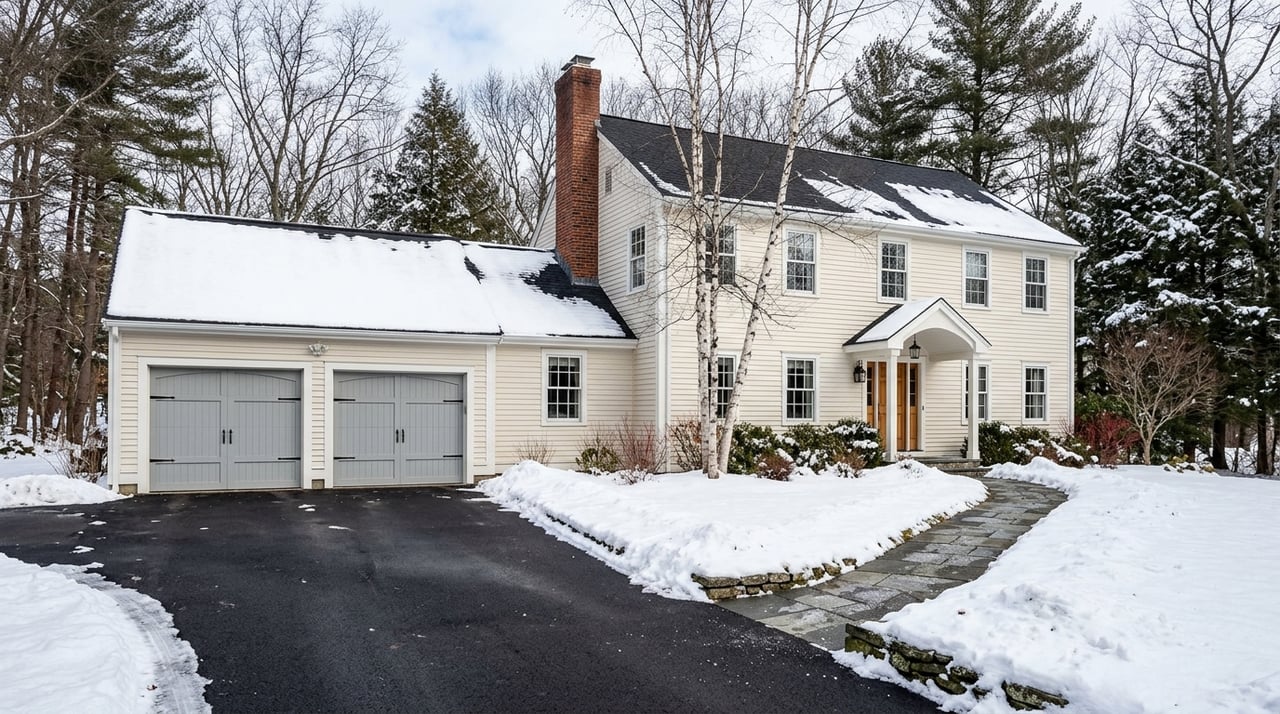
Make snow and ice management obvious and reassuring. Clear and treat driveways and walkways for photos and showings, and have a snow‑removal contract in place. Keep exterior lighting bright and safe, and show easy access to entries.
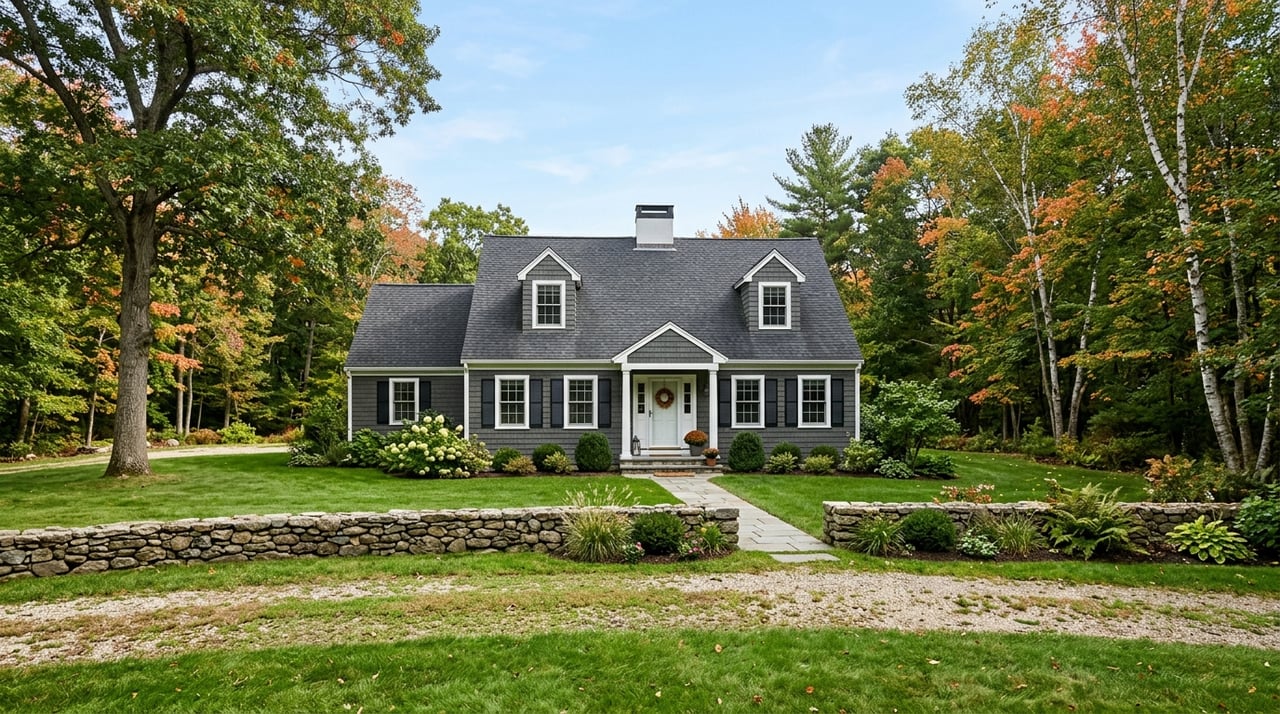
If you have a mudroom, garage, or covered parking, make it a feature. Stage boot and gear storage so buyers picture smooth winter routines. When safe, capture a few photos after a light snowfall to show true cold‑weather capability.
Lean into cozy and low‑maintenance. Highlight a fireplace or woodstove and provide safety and maintenance documentation. If you have radiant heat, newer boilers or furnaces, upgraded windows, or extra insulation, make those upgrades visible in your listing details.
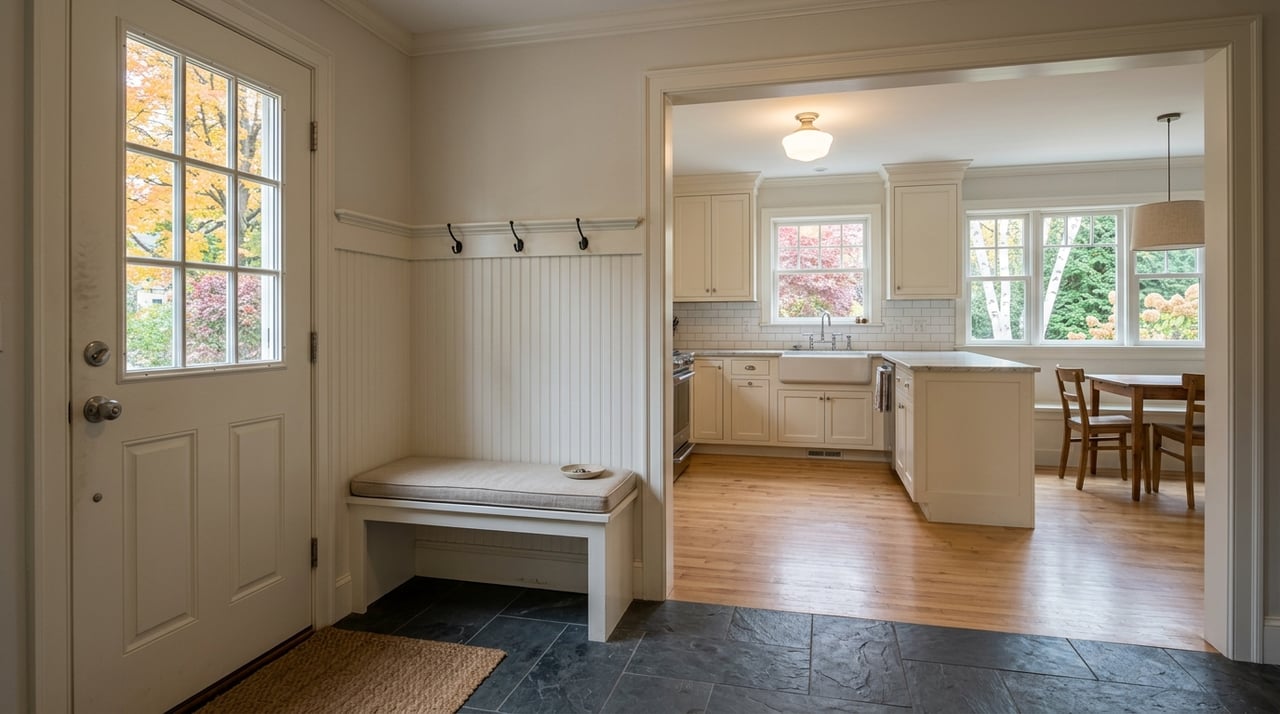
Stage the mudroom or entry with neat storage for skis, boots, and coats. Use warm textiles, layered lighting, and neutral winter accents that feel seasonally appropriate. Avoid heavy summer decor that clashes with winter use.
Service the heating system and check hot water. If you have a chimney or generator, complete inspections and document status. Provide clear guidance on winterizing procedures, pipe insulation, thermostat controls, and plumbing shutoffs that remote owners rely on.
Create a vendor list for snow removal, heating fuel, plumbing emergencies, and property management. Buyers value turnkey solutions in second‑home markets. Transparency about maintenance helps reduce friction and builds trust.
A furnished, turnkey property attracts investor buyers. Prepare an inventory of included furniture and kitchenware, along with a simple welcome and cleaning SOP for guest turnover. If you have prior rental history, gather occupancy and peak‑week revenue details and verify what you can share.
High‑quality media is essential for out‑of‑area shoppers. Many will decide to visit or write an offer based on the strength of your photos, video, and floor plans.
Hire a professional real‑estate photographer experienced with winter scenes. Aim for 25 to 40 high‑resolution images that showcase interior warmth and functional winter spaces. Prioritize the fireplace or woodstove, main living area, kitchen, primary bedroom, mudroom and gear storage, and views to the outdoors.
Include exterior shots with a cleared driveway and safe access, plus twilight images to show evening ambiance. Add a few utility photos such as the furnace or boiler, HVAC controls, water heater, and chimney. These practical details matter to remote buyers.
Produce a 60 to 90 second cinematic walk‑through video for MLS and social distribution. Highlight interior flow, winter‑friendly features, and nearby trails or scenic outlooks. Offer live virtual showings via video call for real‑time questions, and provide a narrated tour for buyers in different time zones.
Use a Matterport‑style 3D tour with an interactive floor plan overlay. Clearly label bedroom and bath counts and include room dimensions. Remote buyers use this to assess furniture fit and layout without traveling.
Where permitted, capture drone shots to show proximity to community amenities, river corridors, and regional access. Create a simple amenity map with estimated distances to nearby ski options, town centers such as Woodstock and White River Junction, grocery and pharmacy access, and airport routes. Follow all local flight rules and avoid restricted zones.
Lead your listing narrative with the features winter buyers care about. Emphasize turnkey readiness, heating performance, fireplace or stove, gear storage, and snow‑removal plans. Include practical facts such as property taxes, association fees and rules, rental restrictions, and typical utility or maintenance costs.
Focus on channels that reach second‑home and investor audiences. Tap regional realtor networks and resort‑market broker lists. If the home has STR history, leverage vacation rental platforms for visibility. Use social media and targeted ads that feature winter imagery, aiming at origin markets like Boston, New York City, Hartford, and Burlington.
Partner with relocation specialists and brokers in these markets. Consider state and regional vacation property portals and paid campaigns targeting ski house keywords. Back this up with email outreach to buyer databases.
Offer both live virtual tours and on‑demand 3D access. Provide a downloadable information packet with association summaries, recent utility and tax bills, inspection and maintenance records, and rental history if applicable. The easier it is to review from afar, the faster serious buyers surface.
Second‑home and investment loans often have stricter underwriting, higher down payments, and additional reserves. Encourage pre‑qualification with lenders who know second‑home financing. Offer flexible inspection windows and recommend local inspectors with cold‑climate expertise, including insulation, boilers, roof flashing, and snow loads.
Consider advanced inspections for chimney, septic, or well to reduce surprises. Proactive documentation can shorten timelines and build confidence with remote buyers.
Prepare for remote notarization and mail‑away closing options with a local settlement agent or attorney. Clarify key handling, final walkthroughs, and transfer of furnishings or equipment. A clear plan helps remote buyers commit.
Many second‑home buyers want turnkey care. Introduce vetted local managers for maintenance, snow removal, cleaning, and guest communication. Provide typical seasonal cost ranges and service scopes so buyers can budget with confidence.
Quechee Lakes homes are typically part of an association. Provide current rules, fee schedules, amenities access, and any rental or occupancy restrictions. Include any special assessments, pet rules, and guest policies so buyers can evaluate fit.
If you plan to market the home’s rental potential, check Town of Hartford short‑term rental regulations for registration or zoning requirements. In Vermont, short‑term rentals may be subject to rooms and meals tax and local occupancy taxes, so sellers and investor buyers should confirm current obligations with the Vermont Department of Taxes.
Winter conditions highlight specific risk factors. Confirm coverage for ice damming and freeze damage and review secondary‑home or vacancy clauses. Lenders may require certain coverage levels for second homes and investment properties.
If your goal is to capture peak ski‑season demand in 05059, get ahead of the fall rush. A thoughtful prep plan, winter‑savvy staging, and polished media can help you stand out to second‑home buyers and investors. With the right timing and outreach, remote shoppers can become confident, ready buyers.
Want help building this plan for your property? Connect with Sandy Reavill to request a free home valuation and a custom listing strategy for Quechee Lakes.
Stay up to date on the latest real estate trends.