Winterize Your Sunapee Second Home for Fewer Surprises
October 16, 2025
October 16, 2025
Cold nights, deep snow, and long stretches away from your lake place can turn small oversights into big repairs. If you own a second home in Sunapee, you know winter is beautiful and unforgiving. You want a clear, local plan that protects your pipes, heat, septic, and waterfront gear so you come back to fewer surprises. This guide gives you a simple strategy, a timeline you can follow, and links to trusted local resources. Let’s dive in.
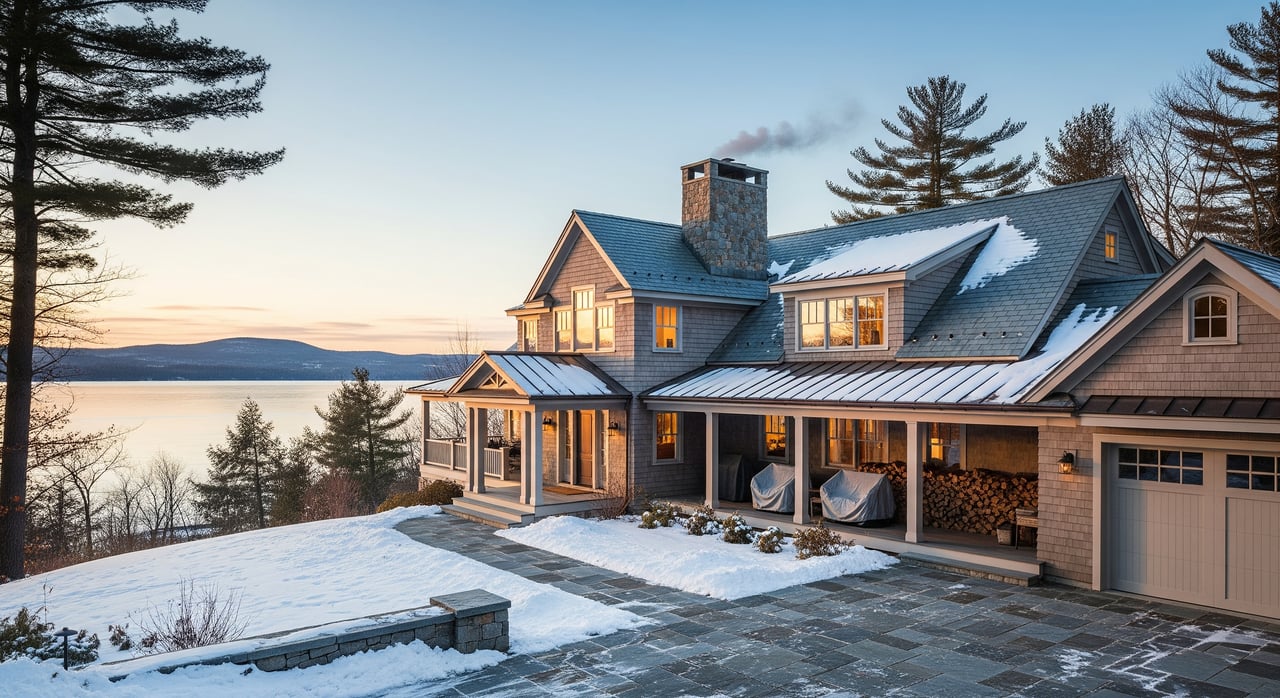
Winters around Lake Sunapee bring frequent sub‑freezing nights and snowfall measured in feet, which raises the risk of frozen pipes and ice damage. Regional climate normals for the nearby Lebanon station show cold January lows and long winters that demand early prep. Check the data in the regional climate summary to set your timing expectations (NOAA climate normals). Lake Sunapee typically freezes, with well-known spring “ice out” dates that mark the season’s shift. That freeze-up has implications for docks, lifts, and boathouses (Town of Sunapee ice‑out info). Many homes in Sunapee and Sullivan County use fuel oil, LP/propane, or wood, so delivery schedules and chimney care are part of the plan (local heating fuel overview).
You have two proven options. You can keep the heat and water on, then protect vulnerable pipes and monitor the home. Or you can shut the main water off, drain the system, and winterize fixtures. Both approaches work when done correctly (two strategies explained). If you keep heat on while the home is vacant, set the thermostat around 55°F, open sink cabinet doors, and insulate exposed lines. A smart thermostat and remote monitoring reduce risk if power or heat fails (insurer guidance on vacant homes). If you prefer a full shut‑down, have a pro drain and blow out lines and add non‑toxic RV antifreeze to traps and toilets. Do not use automotive antifreeze.
Service your furnace, boiler, oil burner, or heat pump before the first deep freeze. A tune‑up, new filters, and a venting check can prevent mid‑winter failures while you are away (pre‑season service checklist). If you use oil or propane, schedule deliveries and consider automatic delivery. For wood heat, have the chimney inspected and cleaned annually. If you leave heat on while away, set up remote alerts and give a local contact simple instructions for responding to unusual furnace cycling (vacant‑home monitoring tips).
Many Sunapee properties use private wells and on‑site septic systems. Follow New Hampshire guidance for routine well testing and care, ideally before long vacancies (NHDES well owner resources). For seasonal use, many pros recommend pumping the septic tank ahead of winter when appropriate. Snow cover helps insulate the tank and pipes, so avoid compacting or removing snow over the system. Never add automotive antifreeze or salt to the septic system (seasonal septic care).
Clean gutters and downspouts so meltwater flows away, which reduces ice dam risk. Inspect and repair flashing and shingles, and seal attic penetrations that let cold air reach plumbing lines (ice‑dam prevention basics). Trim dead or overhanging limbs that could fall on the roof or lines in snow and ice. Secure outdoor furniture and grills before storms to reduce damage.
Lakefront assets need special attention. Removable docks and lifts should be hauled or professionally secured. Permanent structures must be designed for winter or protected with approved de‑icers. If you use a de‑icer, follow timing controls, post warning signage, and operate it responsibly to avoid unsafe thin‑ice areas and ecological harm (LSPA de‑icer guidance). Haul and winterize boats, motors, and batteries, and book storage early with a local provider (Lake Sunapee Marine services).
Notify your insurer if the home will be vacant for an extended period, since coverage can change after 30 to 60 days. Document your winterization steps and keep receipts. Add monitored leak sensors and temperature alerts, and ask a trusted local contact to check the property after major storms (insurance considerations for vacancy).
A thoughtful plan protects what matters most while you are away and makes your spring return a joy instead of a repair project. Use the steps above to choose the right strategy, winterize your systems, and prep your waterfront safely. If you are thinking about a Sunapee purchase or planning your next move in the Upper Valley and lake communities, connect with Sandy Reavill for local guidance rooted in four‑season living.
Stay up to date on the latest real estate trends.