Starter Home Or Condo? Choosing Your First Upper Valley Purchase
July 16, 2026
July 16, 2026
Buying your first home in the Upper Valley can feel like a simple choice until you start comparing a starter house with a condo. In and around Bradford, your decision is not just about price. It is also about maintenance, monthly costs, privacy, and how you want to live day to day. If you are trying to decide which path fits your budget and lifestyle in 05033, this guide will help you sort through the tradeoffs with confidence. Let’s dive in.
Bradford is the right local reference point for ZIP code 05033, and it sits within the official Upper Valley area. That matters because your first-home options are shaped by the broader Upper Valley market, where rural settings, village centers, and job hubs all influence what kinds of homes are available.
The regional housing picture also helps explain why this decision can feel tricky. The Upper Valley Lake Sunapee regional housing assessment describes a market where buyers value affordability, access to amenities, outdoor recreation, and village or downtown presence, even though single-family homes remain the top preference for most respondents.
In Orange County, owner-occupied housing is the norm. Census data shows 83.2% of housing units are owner occupied, with a median owner-occupied home value of $271,300. For a first-time buyer, that creates a useful baseline: detached ownership is common here, but that does not automatically make it the better fit for you.
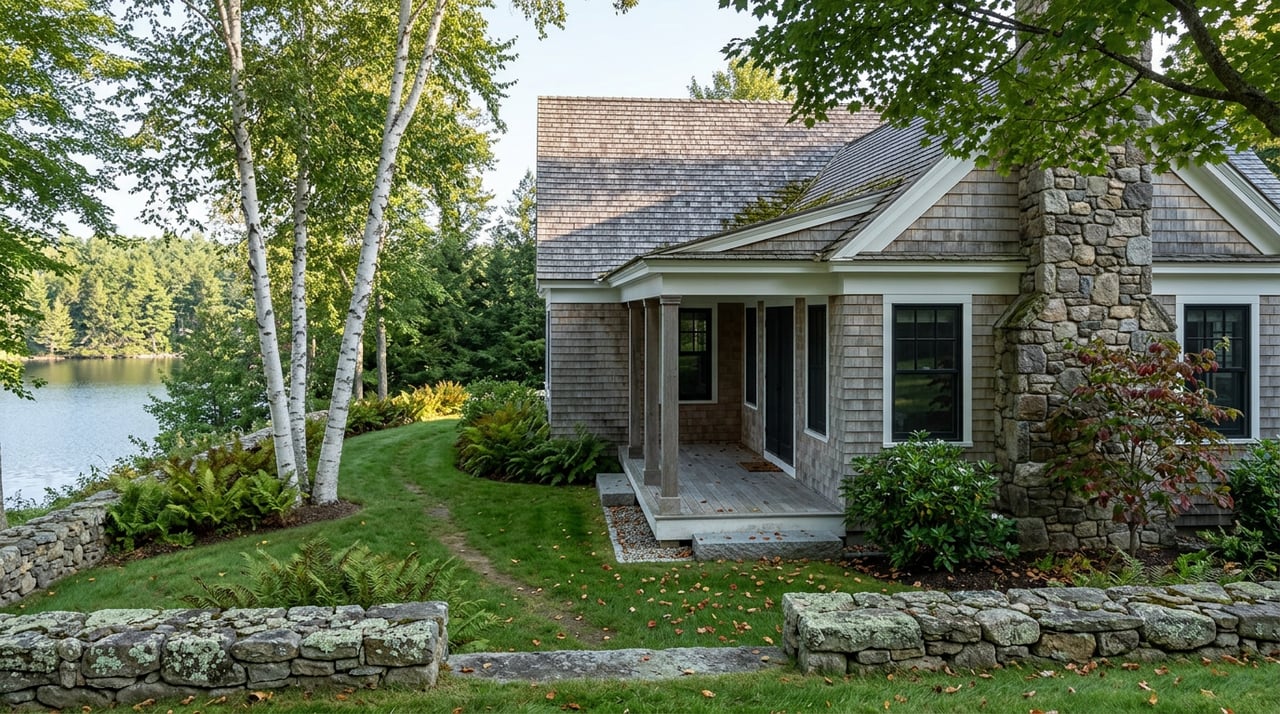
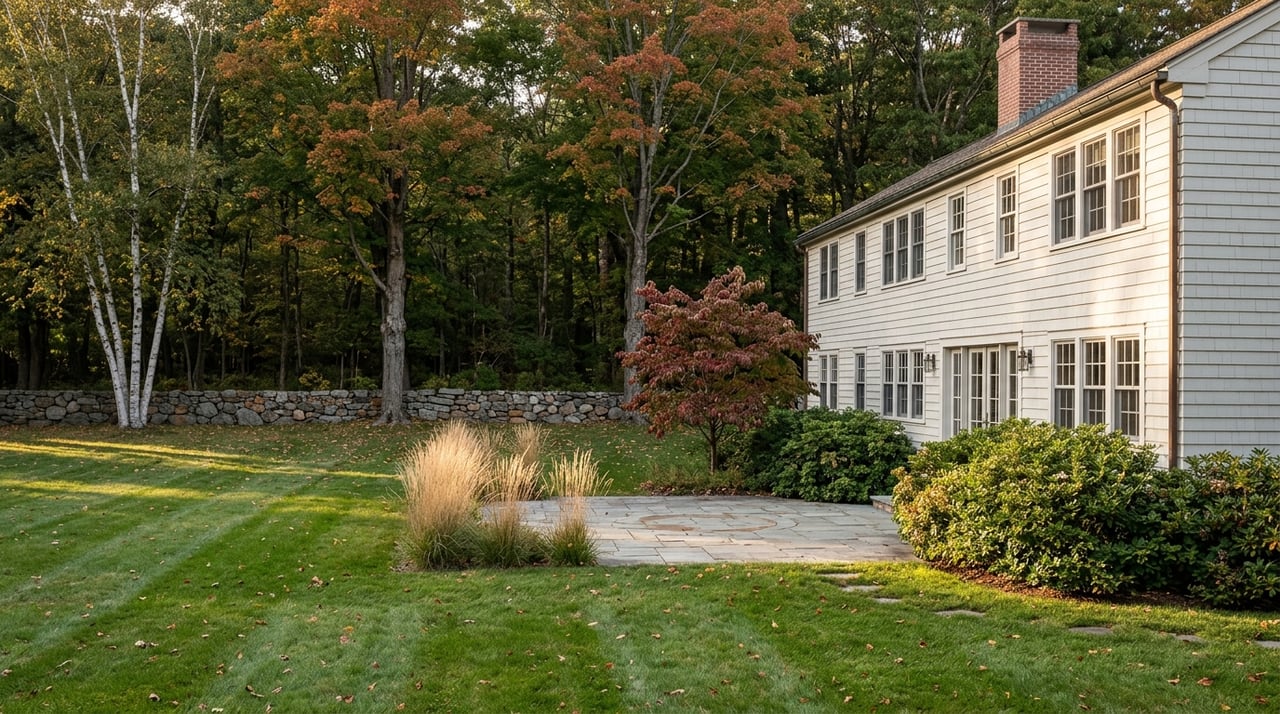
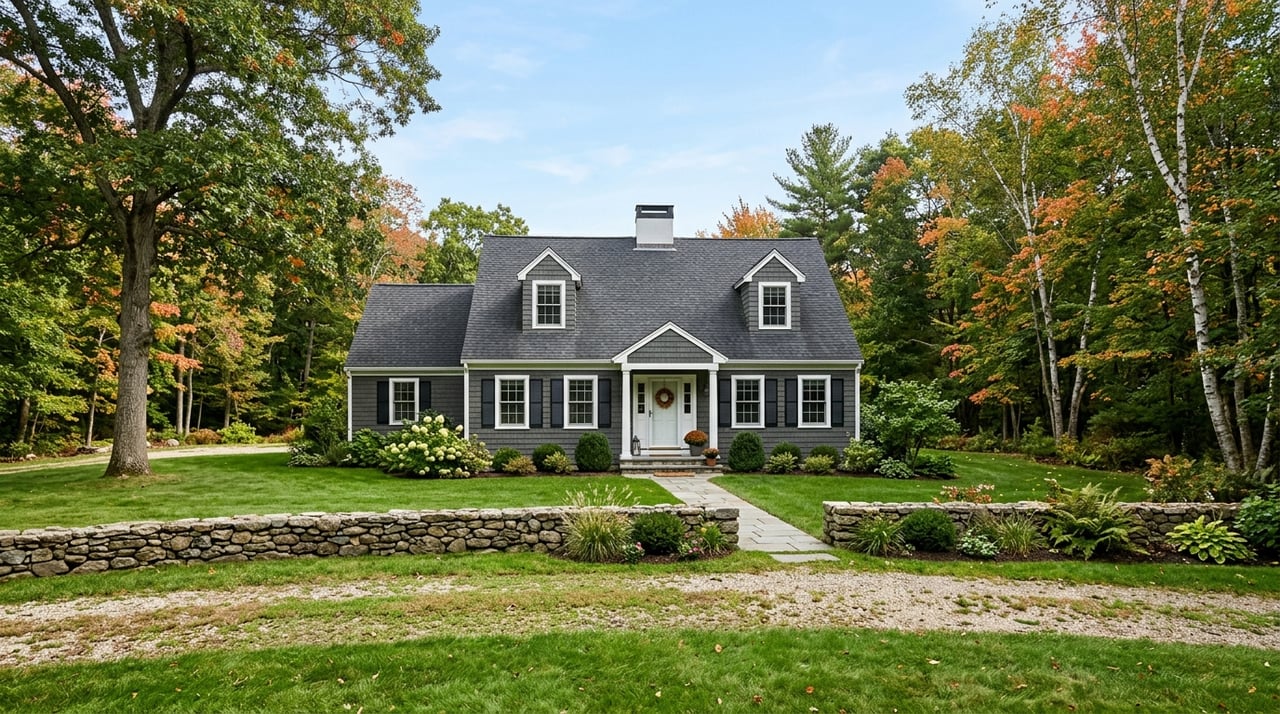
A starter home usually means a detached single-family property that helps you enter the market without buying your forever home right away. In Bradford and nearby Upper Valley communities, that can appeal to buyers who want more privacy, outdoor space, and direct control over the property.
With a detached home, you typically make your own decisions about repairs, upgrades, and yard use. You also avoid many of the shared rules that can come with association living. For some first-time buyers, that freedom is a major advantage.
The tradeoff is responsibility. A homeowner needs to budget for repairs, property taxes, insurance, and any HOA dues if they apply. Even if the house looks move-in ready, you will want room in your monthly budget for the unexpected.
A condo can offer a different path into homeownership, especially if you want fewer exterior maintenance tasks. In a condo or association-based setup, some upkeep is shifted to the association rather than resting entirely on your shoulders.
Under Vermont law, common-interest associations adopt budgets and collect assessments for common expenses. The association is generally responsible for maintaining common elements, while you remain responsible for your unit itself. That can make day-to-day ownership feel more predictable, but it also means you need to understand the rules and the budget before you buy.
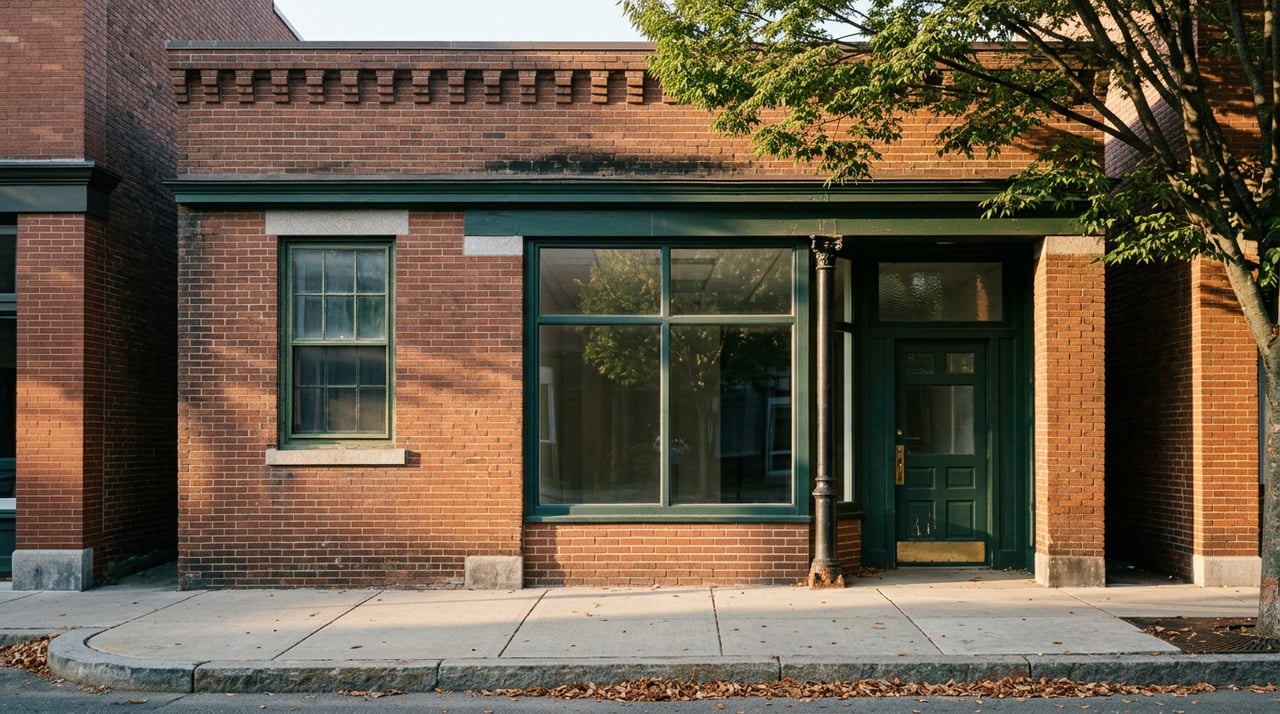
A condo can also be a practical fit if you want to be near a village or downtown setting where denser housing is more likely to appear. The regional housing assessment points to high construction costs, limited supply, and infrastructure constraints, which means attached or shared-wall options are often more likely where services and zoning can support them.
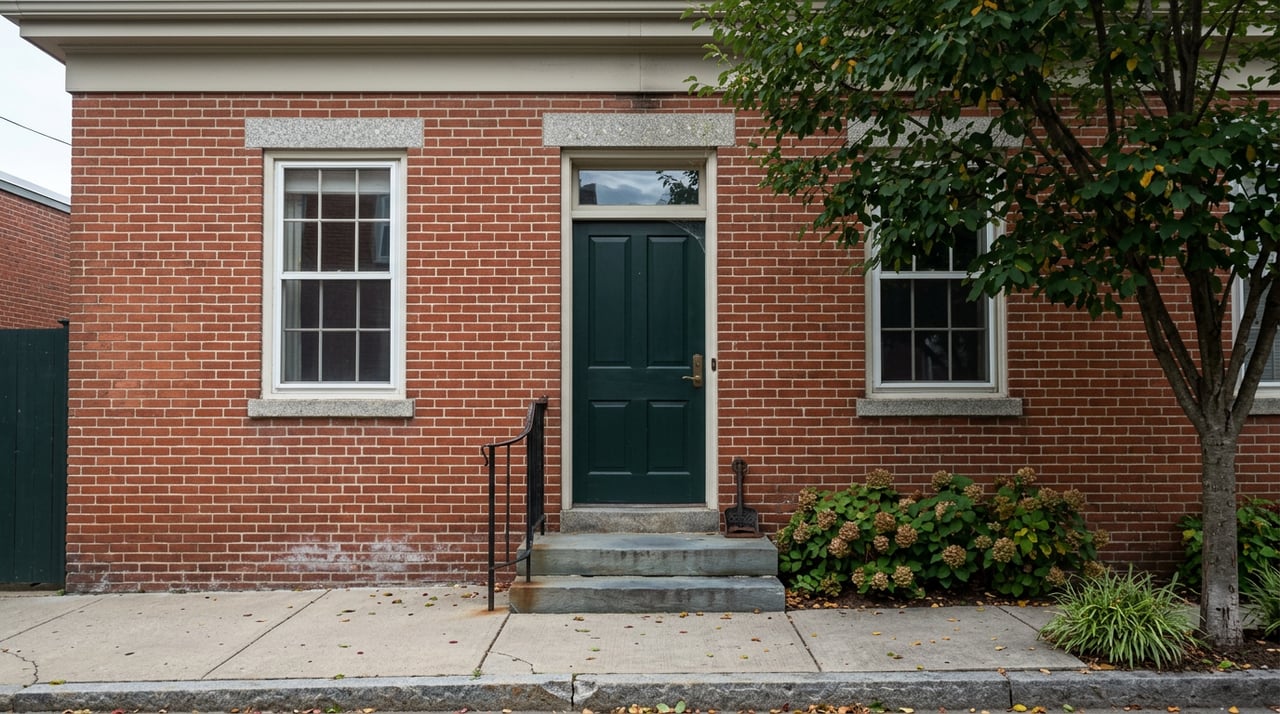
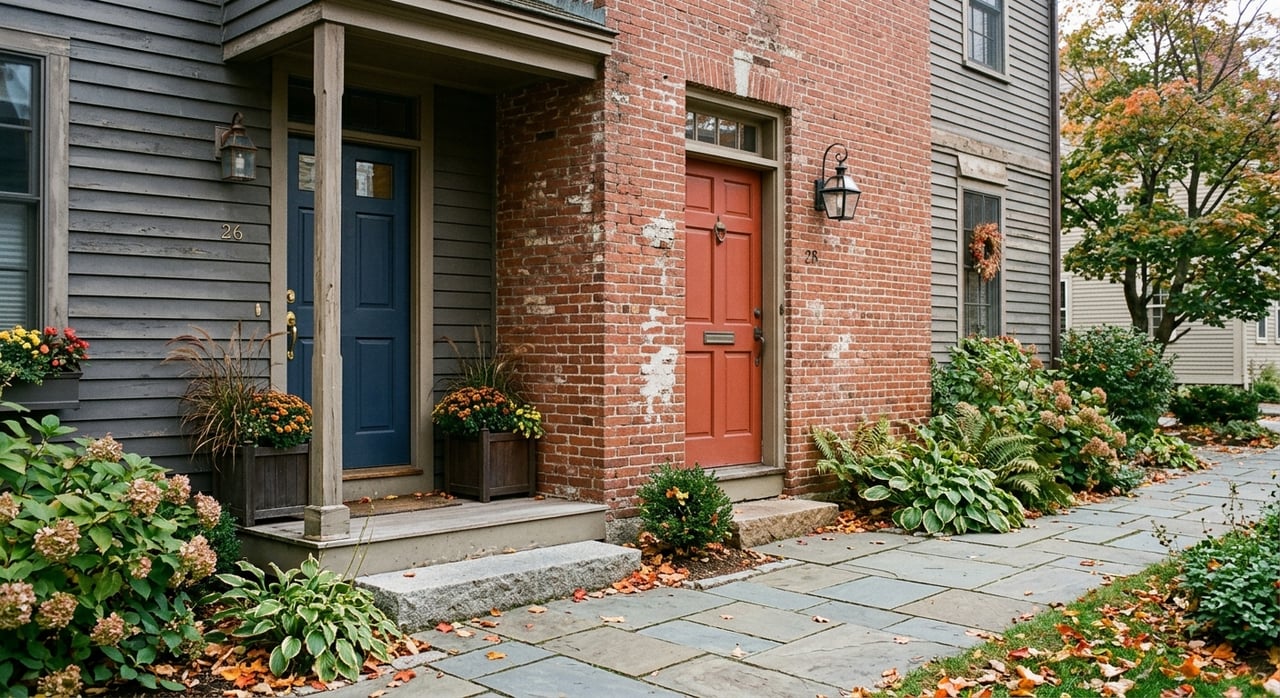
One common point of confusion is the word “townhome.” A townhome describes a building style, not always the ownership structure. A townhouse-style property might be owned as a condominium or through a planned-unit-development structure.
That means the exterior alone does not tell you how the property works. Before you fall in love with the layout or curb appeal, make sure you understand what exactly you are buying and which parts of the property you control directly.
The best first purchase is not always the one with the lower list price. In Bradford and the wider Upper Valley, the smarter question is often: How do you want to live after closing?
This is where many first-time buyers can get tripped up. A condo may have a lower purchase price than a detached house, but that does not always mean it costs less to own each month.
CFPB notes that condo or HOA dues are usually paid separately from the mortgage, and those dues can range from a few hundred dollars a month to more than $1,000 a month. In other words, the listing price tells only part of the story.
A detached starter home may not have monthly dues, but you are carrying the full cost of exterior upkeep, systems, and repairs yourself. In a market where supply pressure remains strong, matching the property type to your monthly comfort level can matter more than comparing prices alone.
Insurance is another area where houses and condos can feel very different. With a detached home, you are usually insuring the full structure and your liability directly.
With a condo, the association may carry master insurance for common areas. You still need to know what that policy covers and what it does not cover inside your unit, along with your personal liability and belongings. That is why insurance review should be part of your early due diligence, not an afterthought.
If the home will be your principal residence, Vermont homestead rules matter whether you buy a detached house or an owner-occupied condo. The Vermont Department of Taxes states that a homestead is your principal dwelling and surrounding land owned and occupied as your domicile, and condominium property can qualify.
The Homestead Declaration is filed annually by the April deadline, with a late outside deadline in October. For most first-time buyers, the practical question is not whether a property is a house or a condo. It is whether you will occupy it as your principal residence and how the property is used.
If you are searching in Bradford or nearby Orange County, you may notice that starter houses appear more often than condos. The regional housing assessment helps explain why.
Local stakeholders pointed to high construction costs, limited supply, second-home ownership, and zoning or infrastructure constraints as barriers to adding more homes. In practice, that means denser ownership options may be more limited and more location-specific than many buyers expect.
A clear checklist can save you time and stress. Whether you are leaning toward a starter home or a condo, you want to understand the ongoing costs and responsibilities before making an offer.
Vermont law requires associations to keep detailed records of maintenance and repair expenses. That makes document review especially important, since it gives you a better picture of how the property has been managed.
There is no universal winner. In Bradford and the Upper Valley, a starter home often makes sense if you want privacy, outdoor space, and more control. A condo often makes sense if you want less routine maintenance and a more shared approach to upkeep.
The right answer usually comes down to your monthly budget, your tolerance for maintenance, and the kind of daily life you want. If you picture weekends spent gardening, tinkering, or creating your own space, a detached home may feel right. If you would rather simplify exterior chores and focus on convenience, a condo may be the better first step.
Your first purchase should support your life, not strain it. If you want help comparing homes, condos, and community options around Bradford and the Upper Valley, Sandy Reavill can help you weigh the details and move forward with clarity.
Stay up to date on the latest real estate trends.